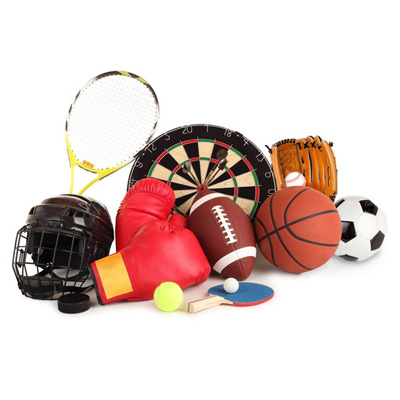
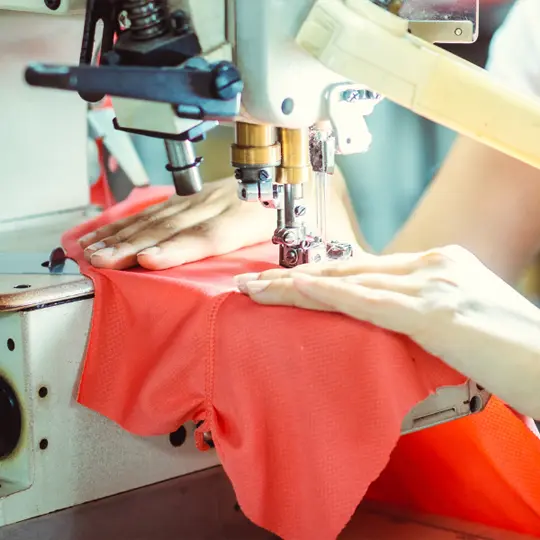
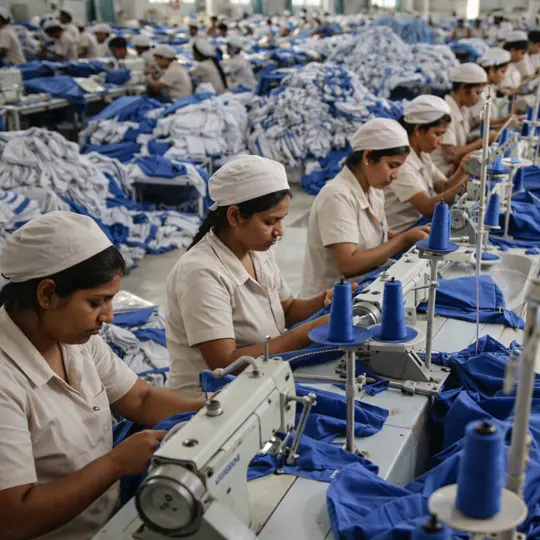
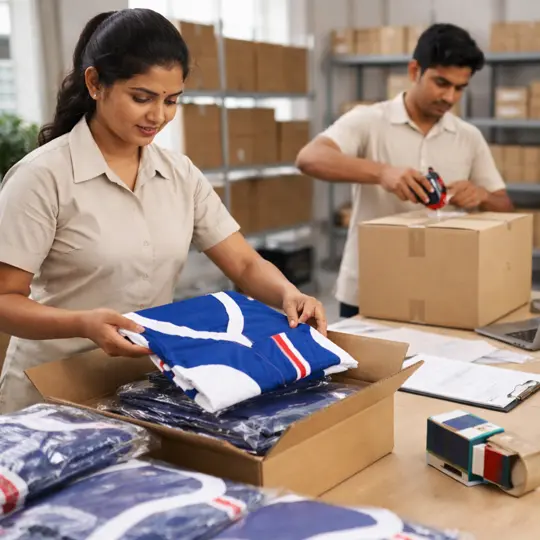
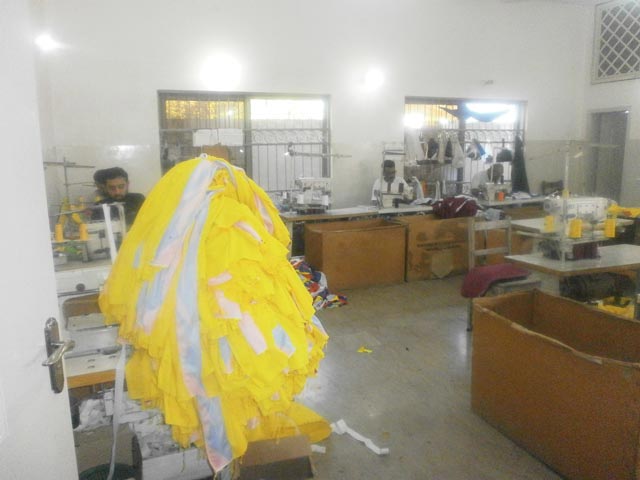
The sustainability movement concerning sportswear has thus emerged as a strategy at the forefront and can no longer be brushed aside. Ethical consumption calls seem to be increasing among consumers and athletes themselves, and even the whole sports industry is trying to catch up. At present, Sporting Goods Manufacturers in Australia are scrutinizing the process of production-from sourcing to material input and even packaging, as well as other environmentally harmful activities, and in the long term, adding value to the product being produced.
Circular Design & Longevity
Designs with the end in mind have become a cardinal principle of sustainability. Rather than encouraging the fast-fashion cycle, ecologically conscious companies create products that are destined for longer lives, reuse, repair, and recycling. Such a concept engages the idea of modular design (replaceable zippers), lifetime repair guarantees, and take-back initiatives for old gear. Some brands run their own resale/ refurbishing lines as well, decreasing landfill waste while offering a cheaper option for their high-quality items. This way of thinking is changing the ideas of teams, clubs, and athletes with regard to their gear-from shoes and bags through to their entire team uniforms.
Recycling & Renewables
Going away from virgin polyester and petroleum-based textiles is well in the works. Many manufacturers are now sourcing fabrics from recycled plastic bottles, ocean waste, and even agricultural by-products like bamboo or hemp. These give liberation from fossil fuel dependency and go further to close the loop within the supply chain. Frequently reliable Tennis Uniforms Manufacturers in USA, such as DRH Sports, were evidently among the first to adopt such eco-materials. The gear is now being made from recycled fibers, without compromising its characteristics of elasticity, breathability, and moisture management. This is a strong statement saying that green gear, too, can also mean winning gear.
Curbing Waste With Efficient Dyeing
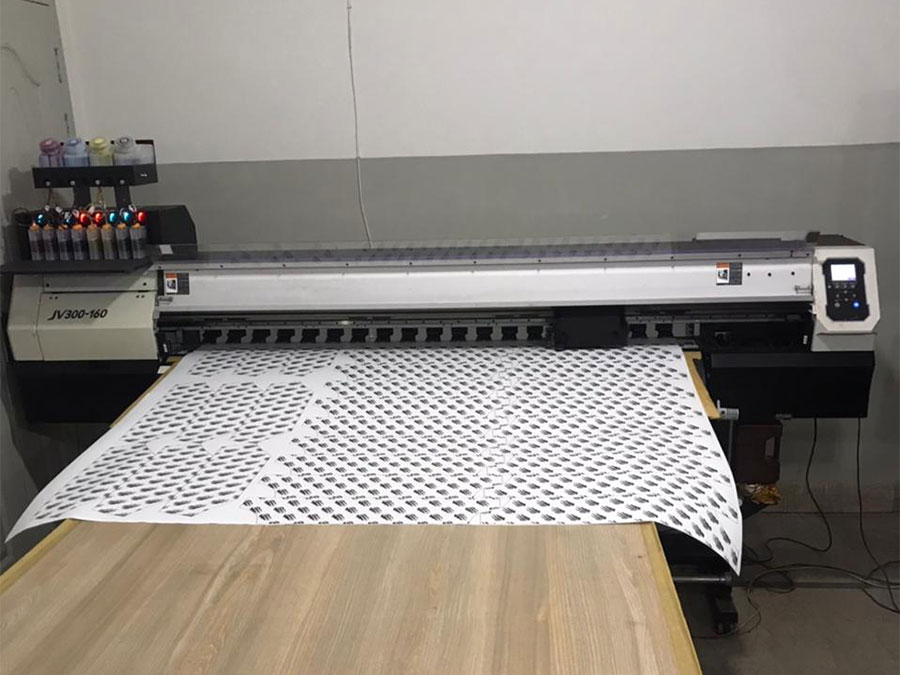
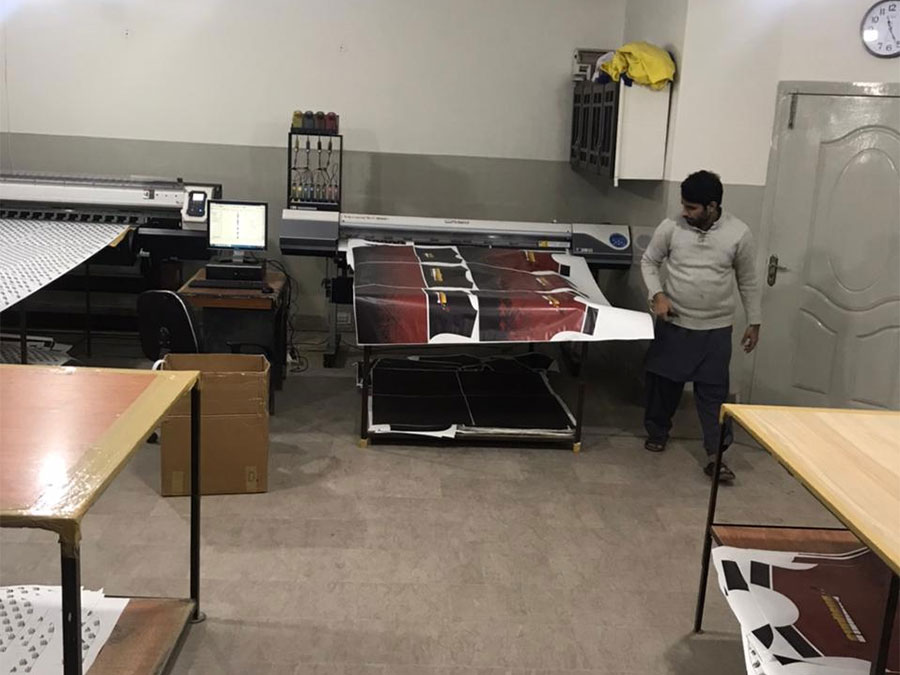
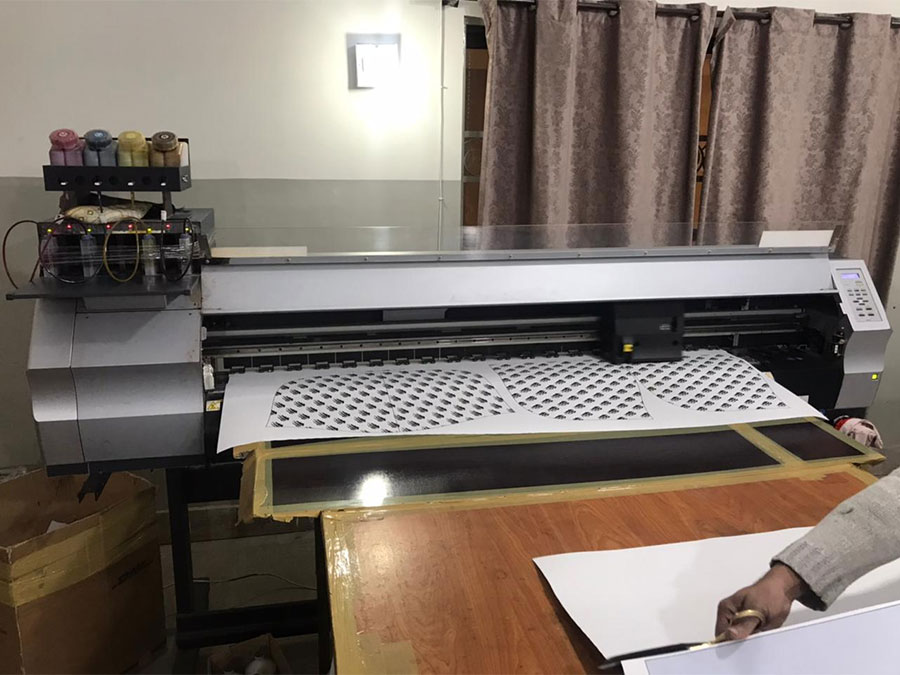
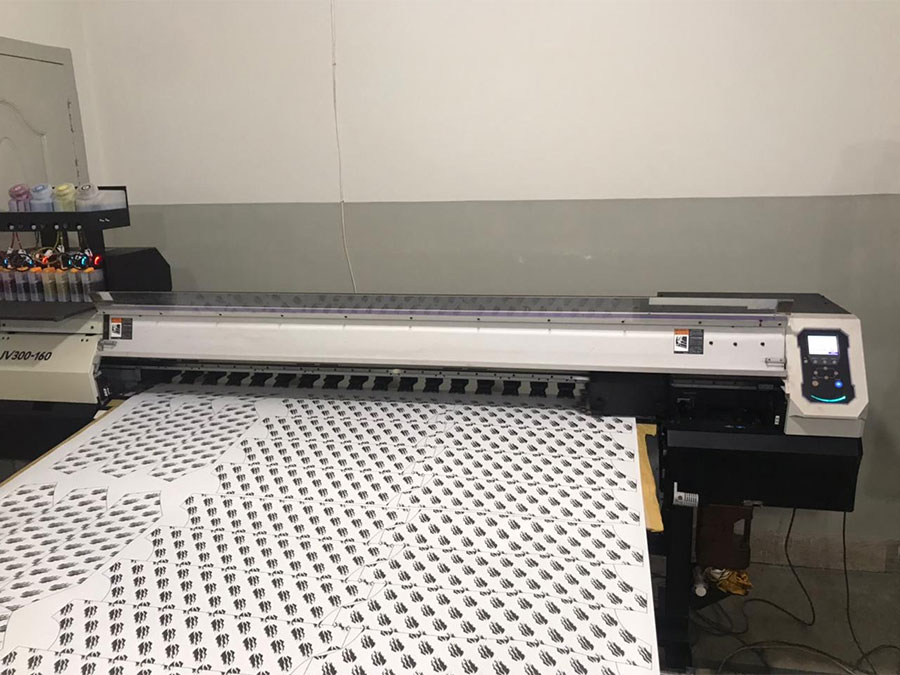
The traditional dyeing processes use incredible amounts of water-sometimes requiring thousands of liters to dye one garment. Socks, known for their chemical yarn dyeing methods, are now moving toward less harmful dyeing or no dye at all, with socks that maintain the same compression, cushioning, and durability. As a result, Sports Socks Manufacturers in Australia are now embracing dyeing technologies that do not require water, like COâ‚‚ dyeing, digital sublimation, and natural plant-based pigments. Just a small step toward toning down the industry's overall water footprint, yet a significant turn. The future of sportswear shall belong to those who play smart, design clean, and think long-term.
Reducing Carbon Footprint
Plastic hangers, individual poly bags, and oversized boxes are no longer in place. Eco-friendly creators work to eliminate single-use plastics, downsize packaging, and switch over to compostable or recyclable alternatives. Some even use algae ink for their printing or carbon-neutral shipping methods. This applies to power-efficient production plants, schools for regenerative energy companies, and carbon offset projects, just changing what is being produced, but also how it is going to be delivered. All these bring insight into the fact that emissions and income can be brought down through such innovations, albeit without sacrificing performance and the brand personality on which they thrive.
Transparency In The Supply Chain
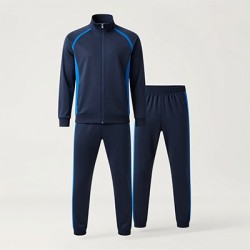
In sustainability, we talk of not only environmental conservation but also ethicality. In sourcing, especially for certified companies and locally, wherever possible, they'd be able to build a more ecologically responsible framework for the sportswear industry. Even niche apparel categories are adopting that philosophy. For instance, Leisure Jackets Manufacturers in UK outsource to successful small-batch production partners and often publish their sourcing details online. Many of them offer certifications in support of their claims that style and ethics can work together. This explains why more makers are committing to fair labor standards, safe working conditions, and transparency along the supply chain.
Greener Plan For A Sustainable Future
It certainly isn't a faze that would ever end with sports in sustainability; it's the one trend that is truly gaining traction. While style, comfort, and performance remain inarguable pursuits, they have now taken a back seat to more serious environmental responsibilities. Sporting goods craftsmen who are trustworthy are demonstrating that one can progress on the field at little cost to the planet. Whether it's tennis uniforms adopting recycled fabrics, sports socks designed for working to reduce water waste, or leisure jackets manufacturers emphasizing ethics and longevity-they are all sending the same signal: sustainability and sport are not antithetical-they are partners.