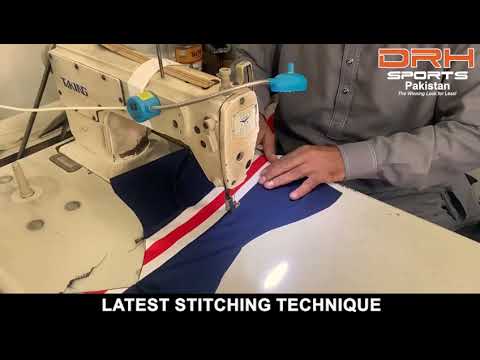
It is nearly impossible to dip a toe into tradition and alter the course of history when one discusses cricket. Be it red-ball test matches, hand-stitched leather balls, or willow bats, the sport has always glorified its legacy. Cricket's most iconic gear is now entering a bold new innings with the right mix of heritage, innovation, and sustainability. Heritage is bandied about today in the hands of the best Cricket Goods Manufacturers in Australia. Classic gear is being afforded a sustainable makeover, revised using new materials, re-engineering, and design processes, along with performance tweaks.
The New Reworking On The Bat
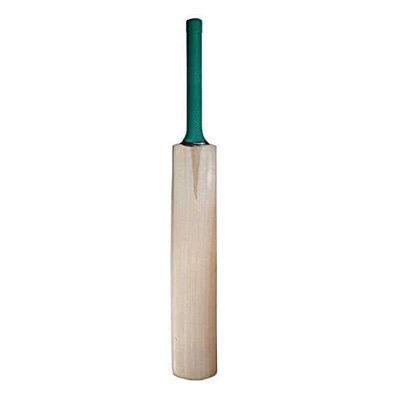
A cricket bat is what it is: the cricket bat. Mostly remains the same old thing in terms of looks and definitions. Conventionally made out of English or Kashmir willow, today's makers have developed the methods of precision pressing and moisture control, supported by Artificial Intelligence-assisted shape profiling, to engineer specific bat performance: better pickup, less vibration, and customized weight distribution, all without compromising on the classic feel. Additionally, bat makers have begun scaling this kind of personalization so that all these specifications can be made for equipment once thought to be the exclusive territory of professional players to other levels.
Sustainability Reconsidered
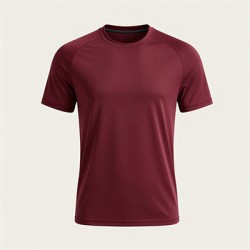
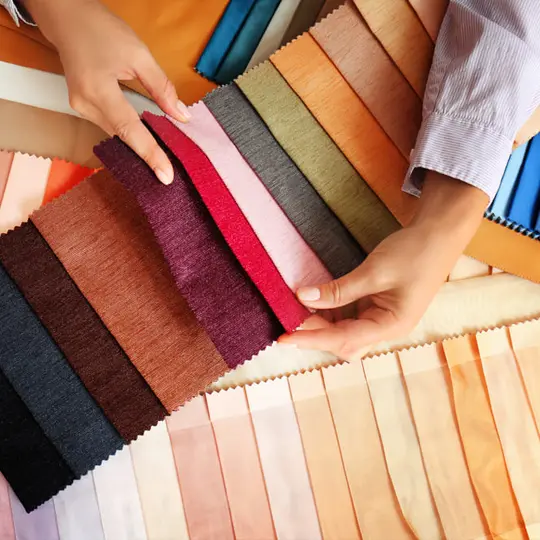
While nothing speaks old-school cricket much louder than white flannel shirts. Having once been labeled "just a little too traditional," they are now making a comeback, undoubtedly due to the convergence of style with sustainability. The present-day Flannel Shirts Manufacturers in Australia have now embraced organic cotton, bamboo fibers, and low-impact dyes to weave fabrics that will breathe and live on but carry an air of nostalgia. Staying consistent with the roomy cut and fresh white palette, the new-age flannel shirts, however, carry sweat-wicking and UV-protective properties.
Making Gear Smarter & Safer
Pads, helmets, and gloves have always been critical but never fully appreciated. Employing carbon fiber or memory foam with breathable mesh lining not only lightens the protective gear but also ergonomically designs it. Biodegradable goods, mostly recyclable materials, and energy-saving production lines are now becoming an industry norm. That is a massive step from old-style mass-produced goods. Some models of helmets have telemetry built in to monitor every incident of head impact. Again, it is about comfort, so that these players can perform free of any restriction over those long matches, and tiring because of the heavier weight of the equipment.
Thinking The Essentials
Nevertheless, not all innovation is on the frontline; even the most blatantly unregarded products are put under reconsideration, which is down to socks. Provisionally, Sports Socks Manufacturers in USA, such as DRH Sports, are devising moisture control yarns, arch support bands, and reinforced heel zones to support the cricketer in improved endurance and injury prevention. General tube socks are out. Everything matters now for the players who have to stand on their feet for hours. Ankle compression zones and blister-resistant weaves in these modern-day cricket socks ensure comfort throughout long innings and multi-day fixtures.
Customization & Sustainability
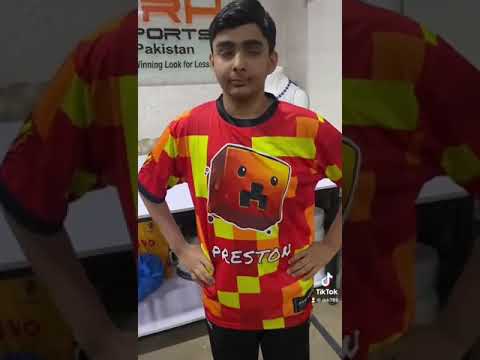
From bat handles to match hand size to uniforms fitted to body shape, athletes want everything personalized so that it feels made just for them. The producers are delivering customized products with 3D scanning, mobile ordering apps, and AI-powered fit systems. Sustainability, on the other hand, is being declared a core responsibility and not just an afterthought. Also, data today is playing a bigger role in product development. Performance feedback collected from players and analyzed based on wear patterns can be used to help companies quickly refine their products in real time, retaining the relevance and performance of even these classic designs.
Revolutionizing Training-Wear
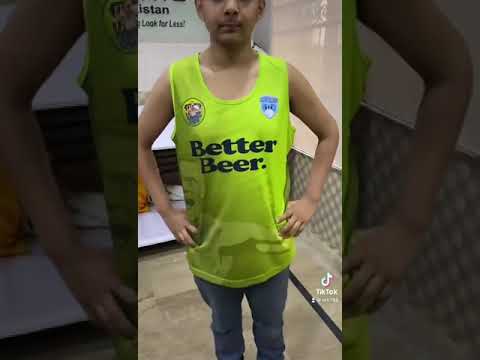
Training and warm-up sessions focused just as much on the main event as the event itself. Keeping in sync, Training Bibs Manufacturers in UK moved in with their innovations in fabric and fit. Having lightweight and quick-drying fabrics was standard; several companies pushed that further by integrating RFID tags for player tracking or adding ventilation zones to reduce overheating during drills. Modern bibs have changed to ensure that they will not move, flap, or interfere with the sportsperson's body movement while training. A small change, but one that makes all the difference during practice, where every rep counts.
End Of Discussion
Just like the transformation of old equipment into modern cricket, the process is not an abandonment of its tradition but an enhancement of that very tradition. In fusing the aesthetics of the old school with the functionality of the new age, today's cricket goods artisans and other parts of the world are building a future that preserves what it has from the past while preparing it for the next. The message is pretty clear: makers reinventing cooling whites in eco-forward materials, innovative technologies reshaping the basics, and smarter prep wear collectively resonate with one idea—that legacy does not mean 'outdated.