Deciding how to brand your team’s gear is often more stressful than picking the design itself. When you are looking for the right aesthetic, the debate usually boils down to two heavyweights: Embroidery or Printing. Both have their place in the world of custom apparel, but the choice depends heavily on the fabric, the purpose of the garment, and the longevity you expect. As leading Promotional Tracksuits Manufacturers in UK, we see firsthand how the right choice can elevate a brand from looking like a DIY project to a professional athletic powerhouse. Whether you are outfitting a local football club or a corporate wellness retreat, understanding the technical differences between these two methods is the first step toward a successful order.
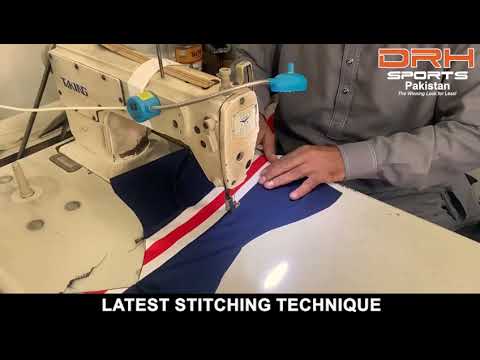
- The Case for Embroidery: Embroidery is often viewed as the gold standard for high-end branding. It involves stitching your logo directly into the fabric using high-speed industrial needles and vibrant threads. This process creates a 3D effect that gives the garment a weighted, premium feel that is hard to replicate with ink.
- Unmatched Durability: Unlike some prints that might crack over time, embroidery stays intact for the entire life of the tracksuit. It can withstand high-temperature washes and the rough-and-tumble of athletic training.
- Professional Perception: There is a certain level of prestige associated with a stitched logo. It suggests stability and a long-term commitment to quality.
- Color Fastness: Modern threads are resistant to bleaching and fading, meaning your logo stays bright even after seasons of outdoor use.
When Printing Takes the Lead
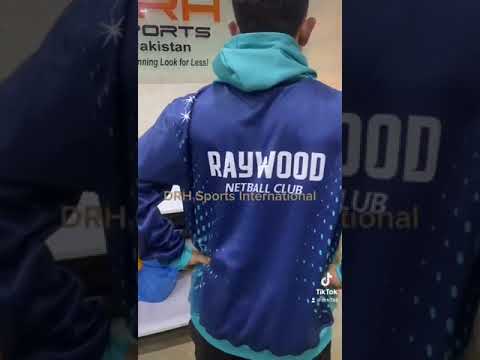
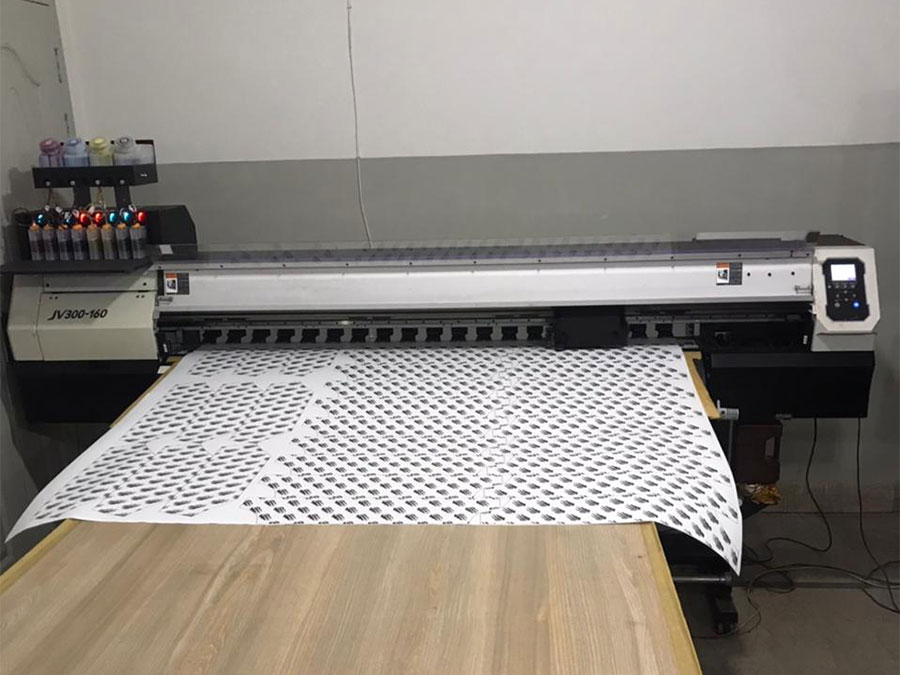
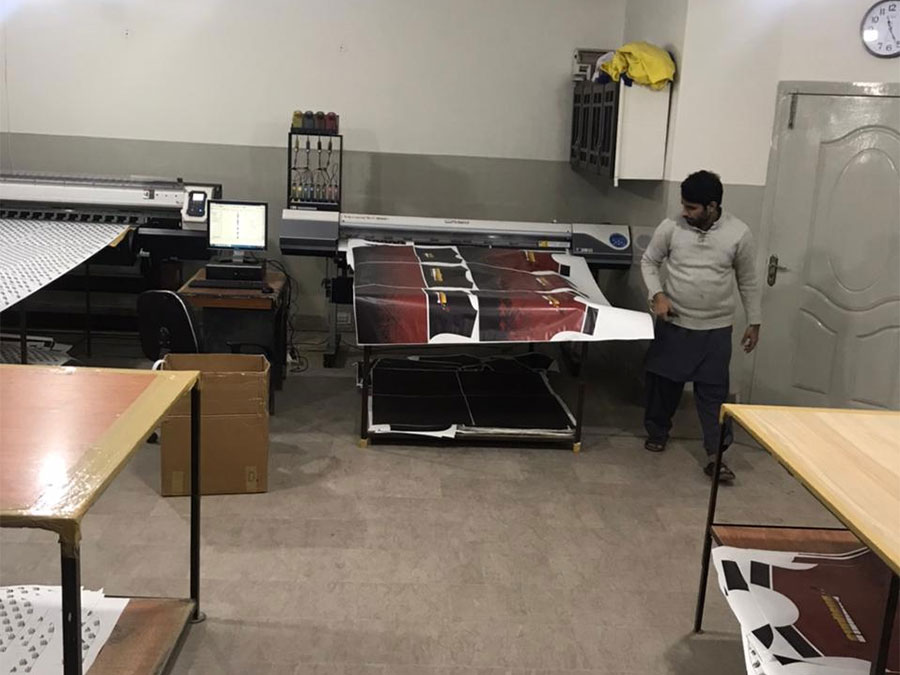
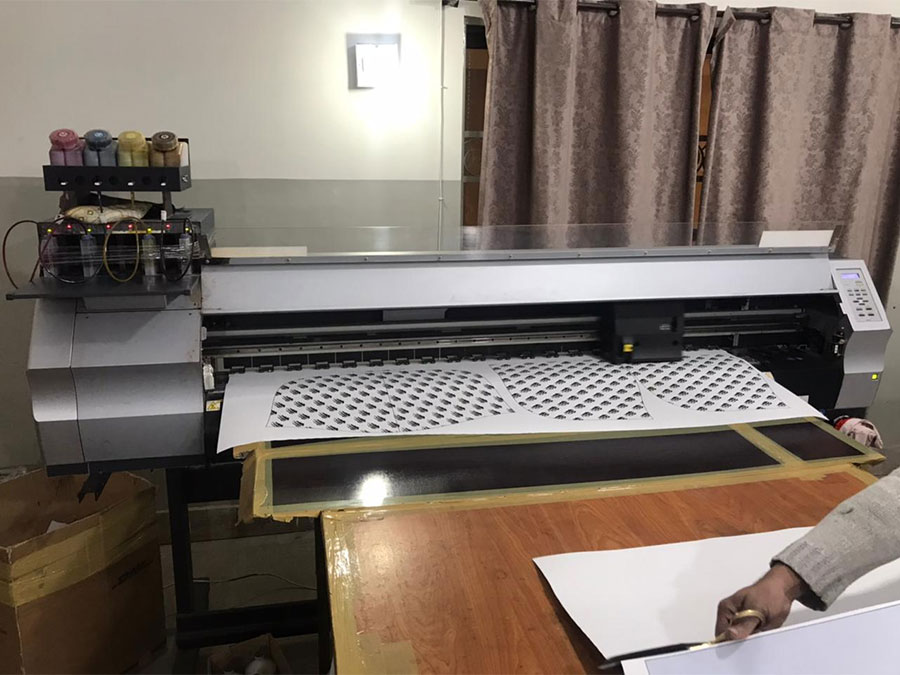
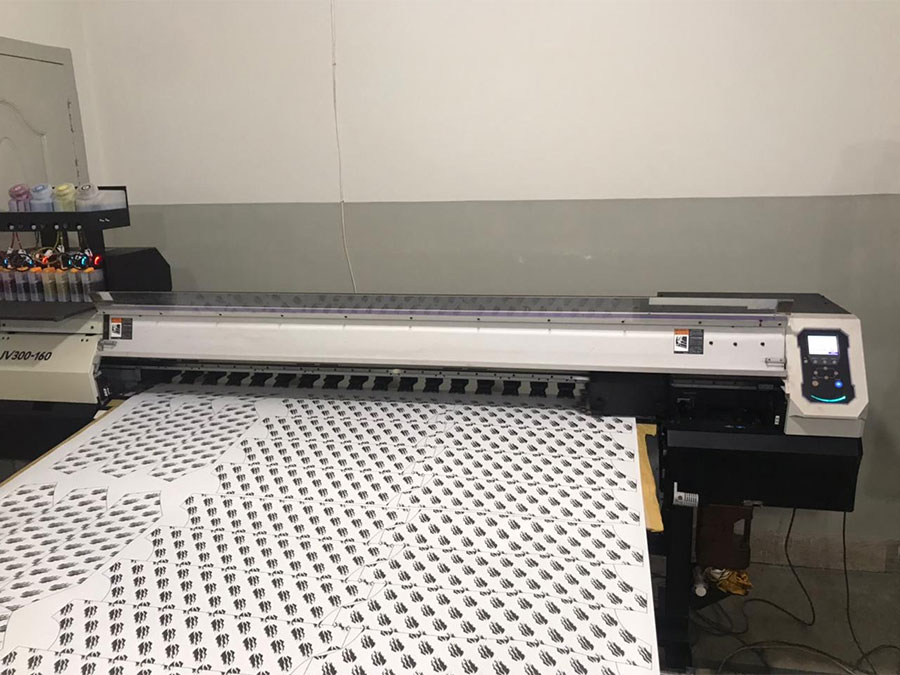
While embroidery is classic, printing—specifically Screen Printing or Direct-to-Film (DTF)—offers flexibility that needles simply can't match. If your logo has complex gradients, fine lines, or very small text, printing is almost always the better route. Furthermore, for lightweight performance fabrics, printing is often preferred because it doesn't "pucker" the material or add extra weight to the chest or back area. This is a common consideration for Promotional Tracksuits Manufacturers in France who prioritize the athlete's range of motion and comfort during high-intensity sessions.
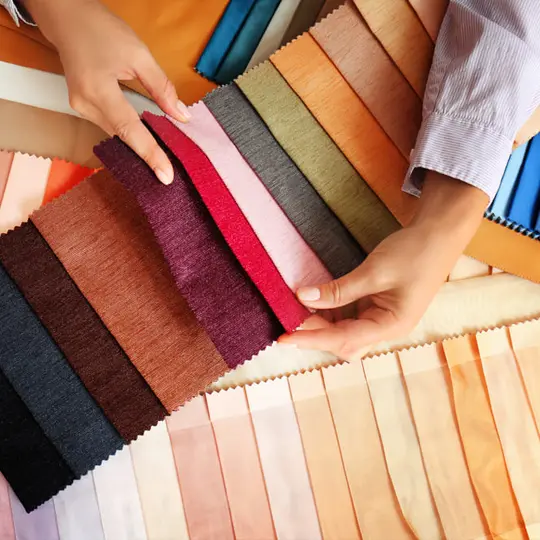
- Fabric Compatibility: A Critical Factor not all tracksuits are created equal. A heavy polyester fleece handles a needle much differently than a lightweight, moisture-wicking nylon shell.
- Polyester & Cotton Blends: These are the "all-rounders." They take both embroidery and print exceptionally well.
- Performance Tech Fabrics: These thin, stretchy materials are usually better suited for high-definition prints. The "stretch" in the fabric can cause embroidery to pull, whereas modern inks move with the garment.
- Waterproof Shells: Be careful here! Poking thousands of tiny holes (embroidery) into a waterproof jacket can ruin its functionality unless a heat-seal backing is applied.
Finding the Right Production Partner
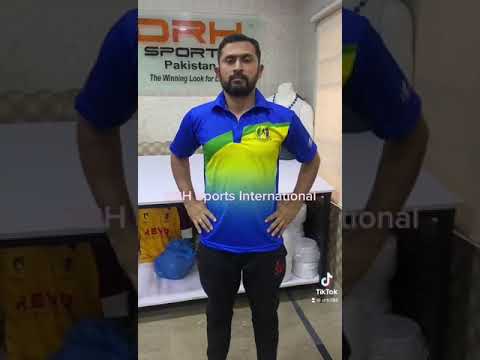
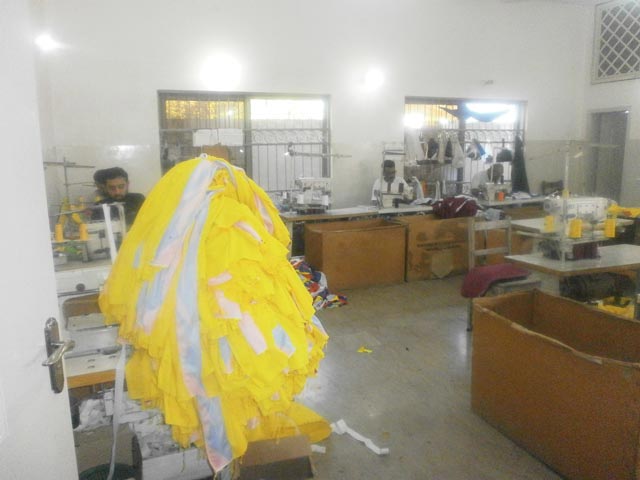
The "better" method is only as good as the technician operating the machine. This is why the selection of your supply chain partner is the most important variable in the equation. Companies like DRH Sports, which are recognized as top-tier Promotional Tracksuits in Australia, understand that a tracksuit isn't just a piece of clothing; it’s a moving advertisement for your organization. By working with a manufacturer that offers both in-house embroidery and advanced printing facilities, you get unbiased advice on which method will make your specific logo "pop" while staying within your budget.
Cost-Effectiveness and Turnaround Times
For many clubs and businesses, the decision eventually comes down to the bottom line. Generally, printing is more cost-effective for large bulk orders with massive logos (like a giant back print). Embroidery is priced by stitch count, so the larger and more solid the logo, the more expensive it becomes.
- Small Batch Orders: Embroidery is often surprisingly affordable for small runs because it doesn't require the "screens" that traditional printing does.
- Bulk Branding: For hundreds of tracksuits with large graphics, screen printing offers a speed and price point that is hard to beat.
- Hybrid Approach: Many organizations choose to embroider a small logo on the chest for that "pro" look while printing a large sponsor name on the back to save money and weight.
Maintenance Tips for Longevity
Regardless of which method you choose, how you care for the gear will determine how long it stays "promotion-ready." Always turn tracksuits inside out before washing to protect the surface of the print or the delicate threads of the embroidery. Avoid using fabric softeners on printed gear, as the chemicals can break down the bond between the ink and the fabric over time.
Final Verdict: Which One Should You Choose?
If you want a classic, durable, and prestigious look for a corporate or leisure tracksuit from Promotional Tracksuits in Spain, go with embroidery. If you need a high-performance, lightweight outfit with a complex, colorful design for active sports, printing is your winner. At the end of the day, a tracksuit is a reflection of your brand's identity. Choosing the right decoration method ensures that your team doesn't just feel like winners—they look like them too.