When customers receive their orders, the two hats that look the same online lead to different experiences. The first hat achieves a perfect fit which preserves its original shape while the second hat shows weakness because its brim cannot keep its designed shape. The headwear industry requires specialized knowledge to create successful headwear products because small elements determine product success. DRH Sports, one of the most prominent Caps Hats Manufacturers in USA, enables businesses to achieve superior results through their quality control process, which determines product value. The process of fabric stitching extends beyond basic sewing work because it requires systematic quality control to produce high-quality products which demonstrate exceptional craftsmanship. Brand owners and bulk buyers must first learn about cap construction before understanding premium cap quality. A cap consists of multiple parts which include panels eyelets visors and sweatbands. The hat's entire symmetry breaks down when any single component experiences a measurement error beyond one millimeter. Providers use multiple inspection stages to identify problems during their manufacturing process because they are professional Caps Hats providers. The testing process includes checking thread tensile strength and assessing fabric colorfastness to sweat and UV radiation exposure which helps distinguish between quick disposal fashion items and long-lasting athletic equipment.
The Foundation: Material and Fabric Inspection
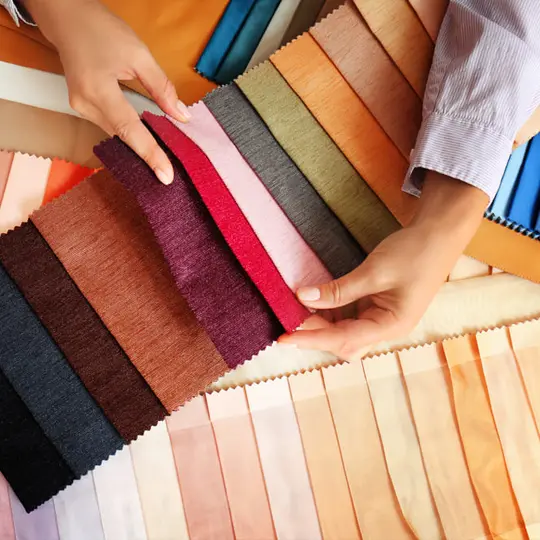
Quality starts long before a single needle moves. The very first check occurs at the raw material stage. A reputable manufacturer doesn't just take the textile supplier's word for it; they perform their own audits.
- The Four-Point System: This is a standard industry method used to grade fabric. Inspectors check the fabric for holes and stains and they also check the fabric for slubs which are yarn irregularities.
- Weight and Density: The hat's hand-feel depends on proper GSM (grams per square meter) matching to client requirements.
- Color Matching: The light box system enables testing of various lighting conditions to confirm that the "Navy Blue" you ordered maintains its color under sunlight.
Precision in the Cutting and Sewing Rooms
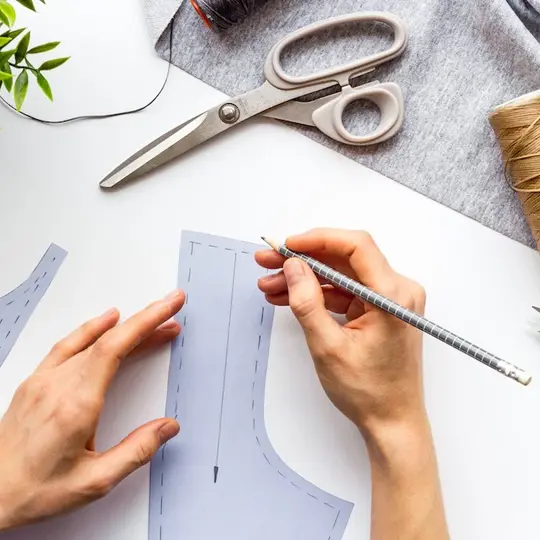
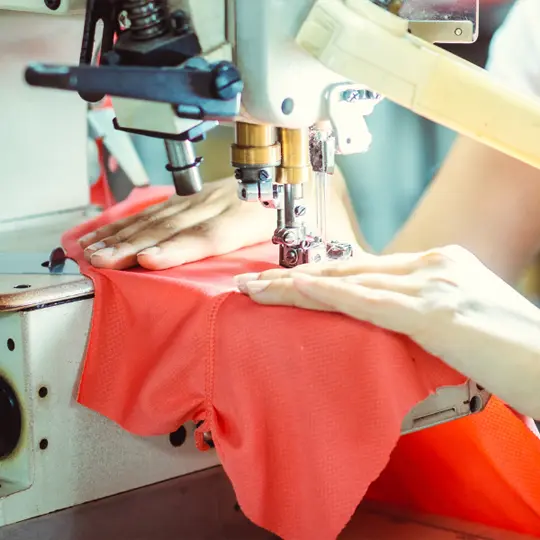
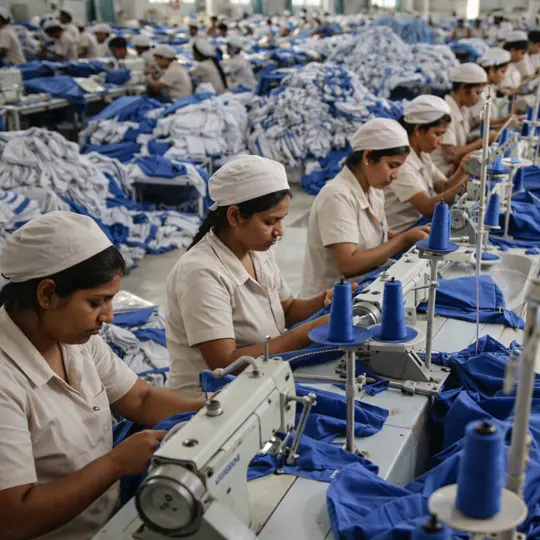
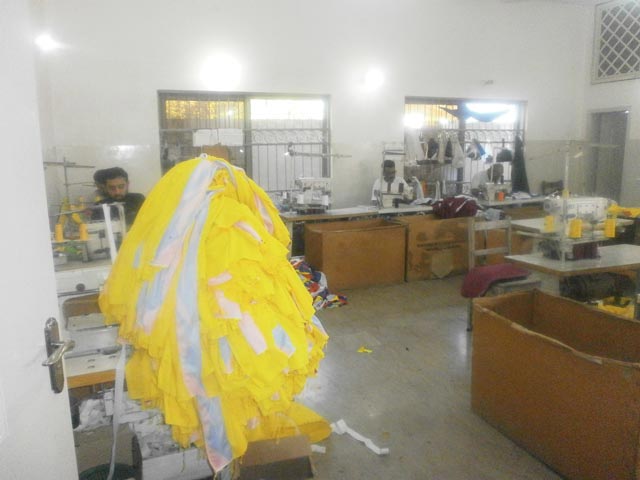
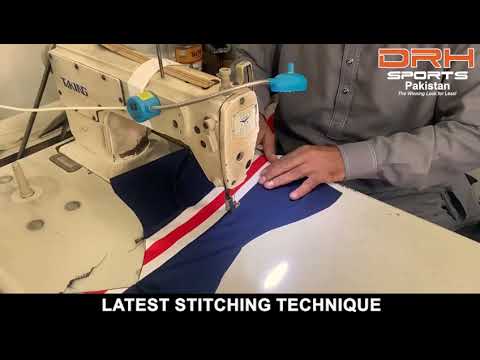
Once the fabric is cleared, it moves to the cutting table. Here, precision is the name of the game. Modern Caps Hats Manufacturers in UK use hydraulic cutting presses or laser cutters to ensure that every panel is an exact replica of the master pattern. If the panels are even slightly asymmetrical, the hat will "twist" on the wearer's head—a common defect in low-end manufacturing. In the sewing phase, the "in-line" inspection begins. Supervisors move through the workstations, checking the "stitches per inch" (SPI). Typically, a high-quality cap requires 10 to 12 stitches per inch. Anything less, and the seams become a weak point that can unravel under pressure. This is also where the visor is attached. A "crooked bill" is the hallmark of poor quality control. A trained eye can spot a 2-degree deviation in alignment, ensuring the brim is perfectly centered with the front panels.
The Art of Branding: Embroidery and Printing
For many, the logo is the most important part of the cap. Quality checks here focus on "digitization" and "execution."
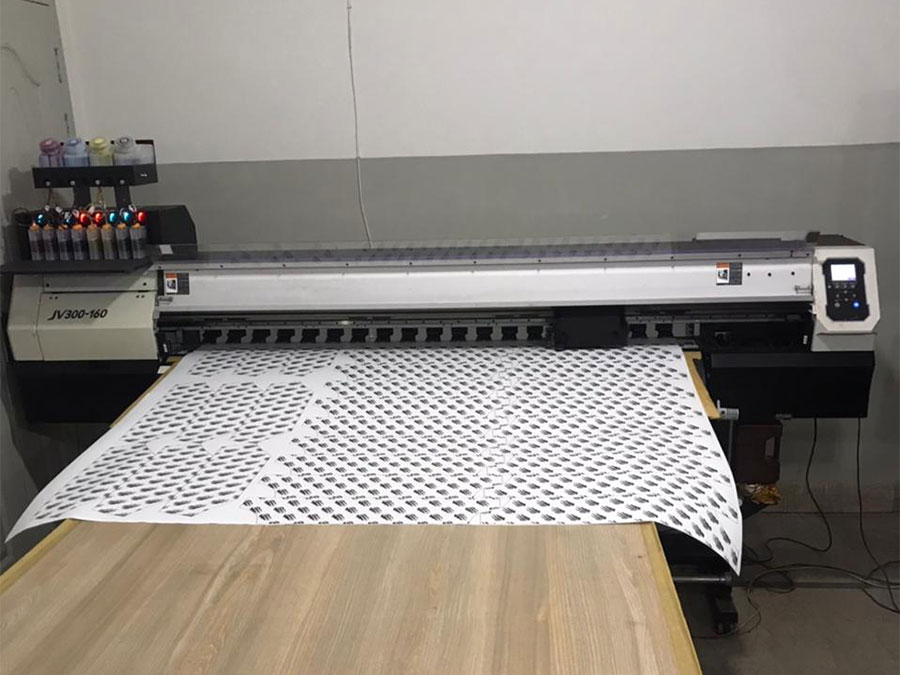
- Stitch Density: A thin logo where the underlying fabric peeks through looks cheap. High-density embroidery provides a 3D effect that screams premium.
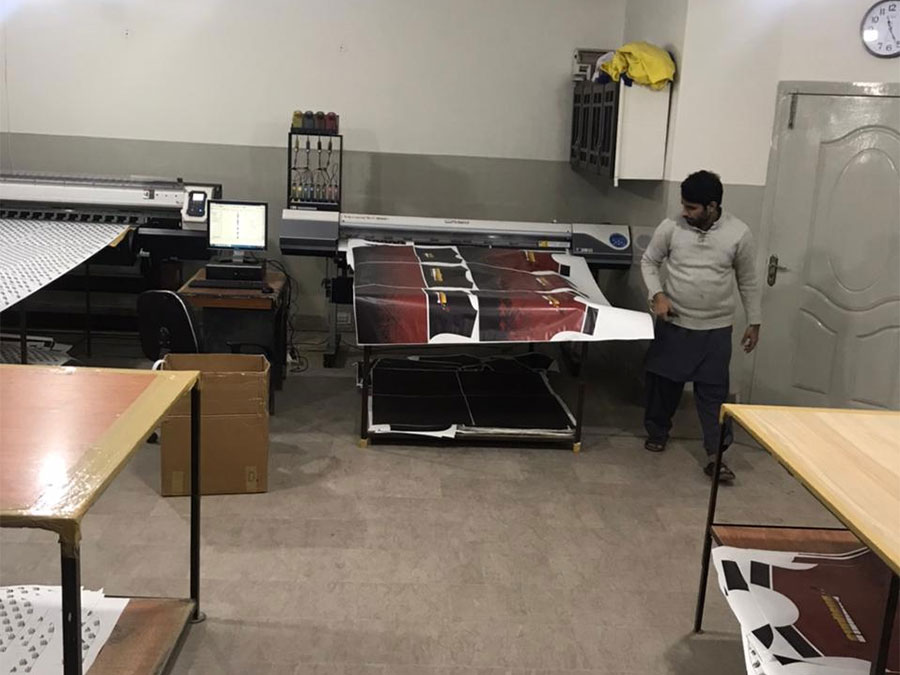
- Registration: This refers to the alignment of different colors within a single logo. If the colors don't line up perfectly, the branding looks blurry.
- Thread Trimming: There should be no "jump threads" (loose strands connecting different parts of the embroidery). Every logo should be clean and sharp.
The Final "Gatekeeper" Inspection
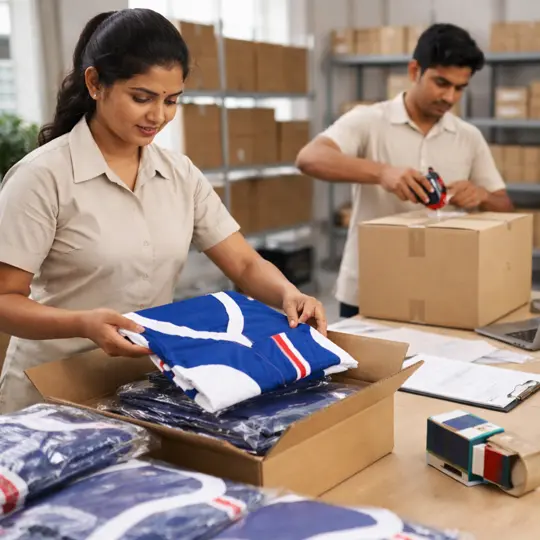
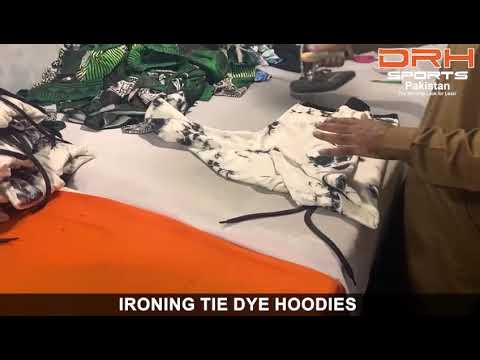
The final stage is perhaps the most critical. Before a hat is boxed, it undergoes a "post-production" evaluation. This involves more than just a quick glance. Inspectors check the interior of the cap, ensuring the sweatband is sewn flat without wrinkles. They also perform a "pull test" on the top button (often called the squatchee). A loose button is a safety hazard and a sign of rushed assembly; it should be able to withstand at least 15 pounds of tension. Finally, the hats are ironed or "steamed" on specialized head-shaped molds. This sets the shape of the crown. A cap that hasn't been properly blocked will look crushed and unappealing in its packaging. Caps Hats Manufacturers in Canada who skip this step are essentially asking the customer to "break in" the hat themselves, which rarely results in the intended look.
Why Consistency Matters for Your Brand
In the competitive world of retail, consistency is your greatest asset. If a customer buys a hat from your brand today and another one six months from now, they expect the same fit and feel. Such consistency is only possible through a dedicated partnership with Caps Hats Manufacturers in Australia, who view quality control not as a hurdle, but as a core value. By understanding these checkpoints—from the four-point fabric test to the final steam blocking—you can move forward with the confidence that your headwear reflects the high standards of your business.