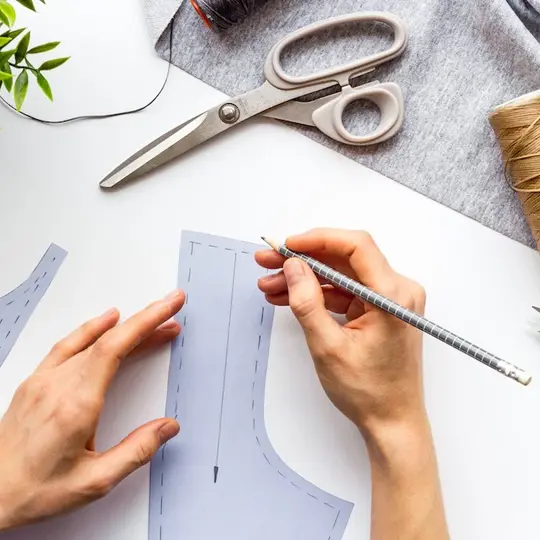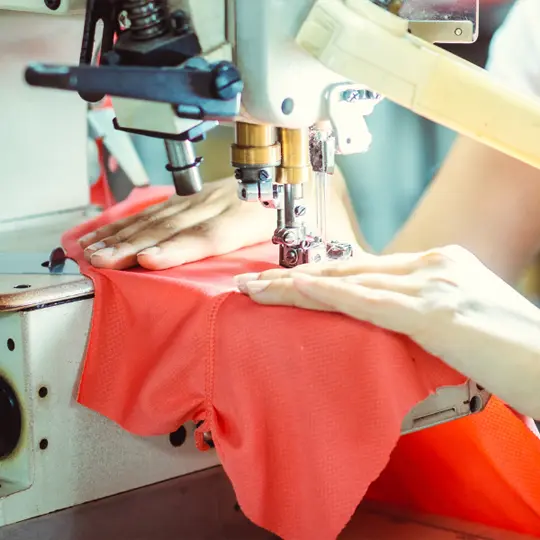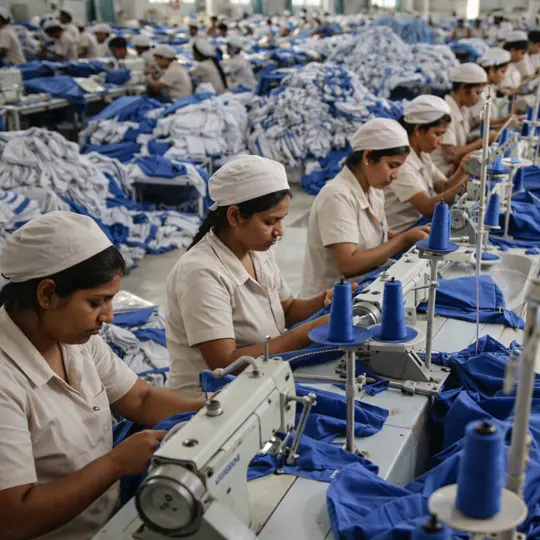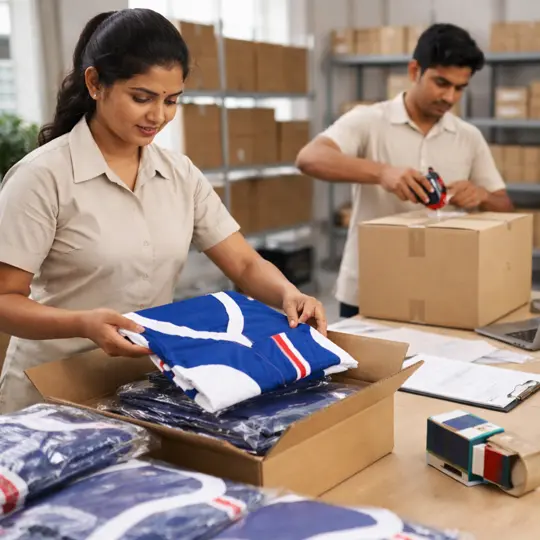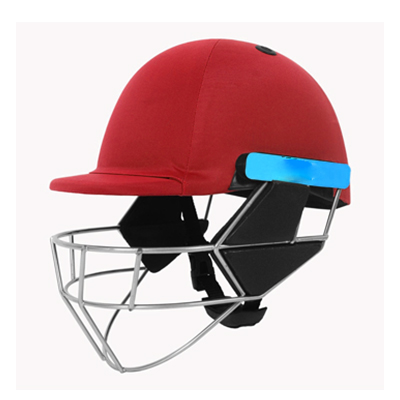
In the fast-paced world of cricket, things move quickly. When a hard leather ball flies toward a batsman at high speed, the helmet is the only thing protecting them. Cricket Helmet producers dedicate their efforts to safety because it represents their main focus. The process of creating a safe hat design involves scientific research which establishes protection methods against severe player injuries. The helmet manufacturing process helps players and parents select the most effective protective equipment. The most important rule for helmets in Britain is the BS7928:2013 safety standard. This rule was created to make sure the ball cannot fit through the gap between the grille and the peak. Cricket Helmet Manufacturers in UK construct their helmets with carbon fiber and strong plastic materials to meet the required safety standards. The shell contains a special foam which builders use to create a deep cushion layer. The foam material protects the player's head from impact by absorbing all energy from a forceful strike. The batsman uses a durable helmet to securely perform their cricket duties without worrying about potential threats.
Why the Inside Matters
- The hard outside of the helmet is only half of the story. The inside layers are what actually protect the brain. Most high-quality helmets use a "two-part" system.
- The Hard Shell: This stops the ball from breaking through and spreads the hit across a wider area.
- The Inner Foam: This is the soft part that squashes down when hit. It works like an airbag in a car to soften the blow.
- Comfort Padding: Extra soft pads are added so the helmet feels good to wear for many hours in the sun.
The Grille: Protecting Your Face
The metal cage on the front, called the grille, is a vital safety feature. In the past, these could sometimes bend or let a ball through. Today, they are built much stronger. Many top Cricket Helmet Manufacturers in Brazil now use titanium for the grille. Titanium is great because it is very strong but also very light, so it doesn't make the player's neck tired. The grille is fixed firmly to the shell so it stays in place even if a fast ball hits it directly.
Keeping Cool Under Pressure
Safety also means making sure the player doesn't get too hot. If a player gets dizzy from the heat, they might lose focus. Good Cricket Helmet Manufacturers in USA like DRH Sports put small "air holes" or vents in the shell. These holes let fresh air flow over the head to keep the player cool. They also use special fabric on the inside that soaks up sweat so it doesn't run into the player's eyes during a big game.
Finding the Perfect Fit
A helmet only works if it stays on properly. If it is too loose, it might fall off or move when the ball hits it. Most modern helmets have a small wheel at the back that you can turn to make the fit tighter or looser. This "dial-fit" system ensures the helmet is snug against the head. The chin strap is also very important; it must be strong enough to hold the helmet on during a fall but comfortable enough not to itch.
Testing for Safety
Before a helmet can be sold, it has to go through many tough tests in a lab. Scientists drop heavy weights on them and fire cricket balls at them from different directions. They test the front, the sides, and even the back of the head. Only the best designs pass these tests and get the official safety stamp. As the game gets faster and players try new shots, the work of Cricket Helmet Manufacturers in Japan becomes even more important. By picking a helmet that meets these high standards, you are making sure you can enjoy the game safely for years to come.