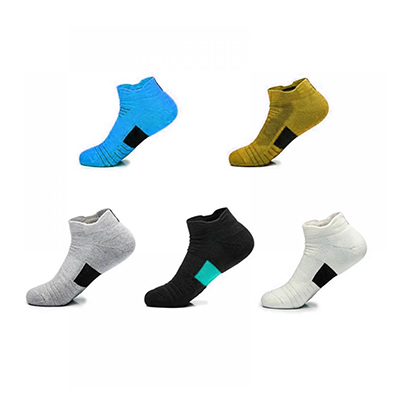
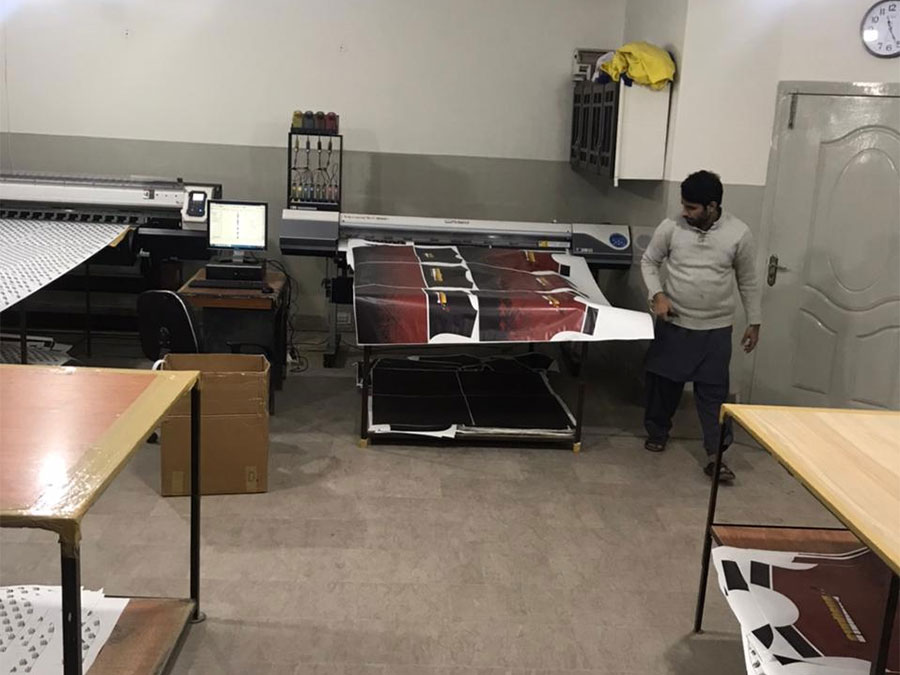
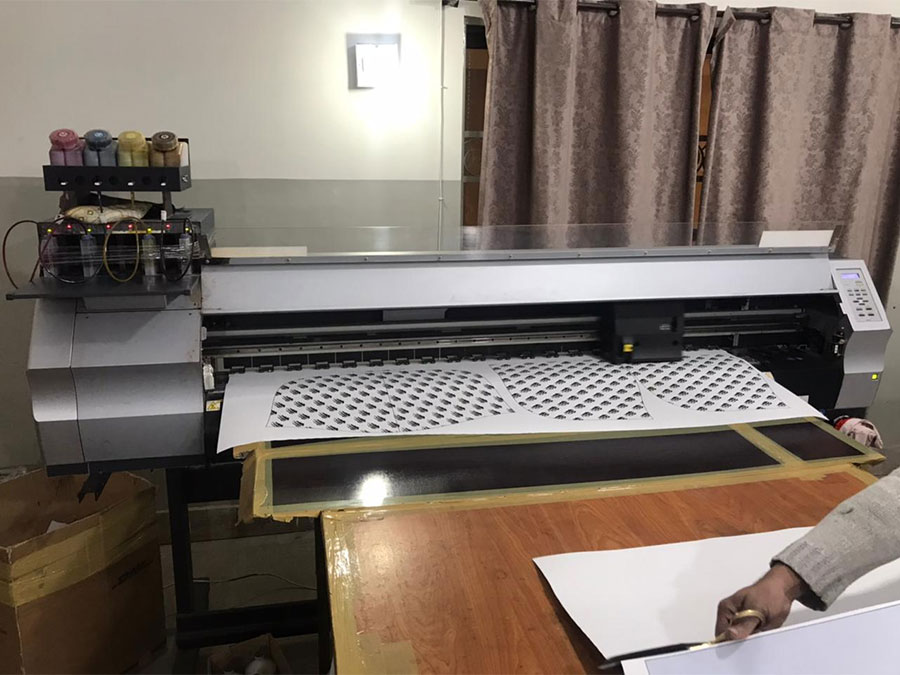
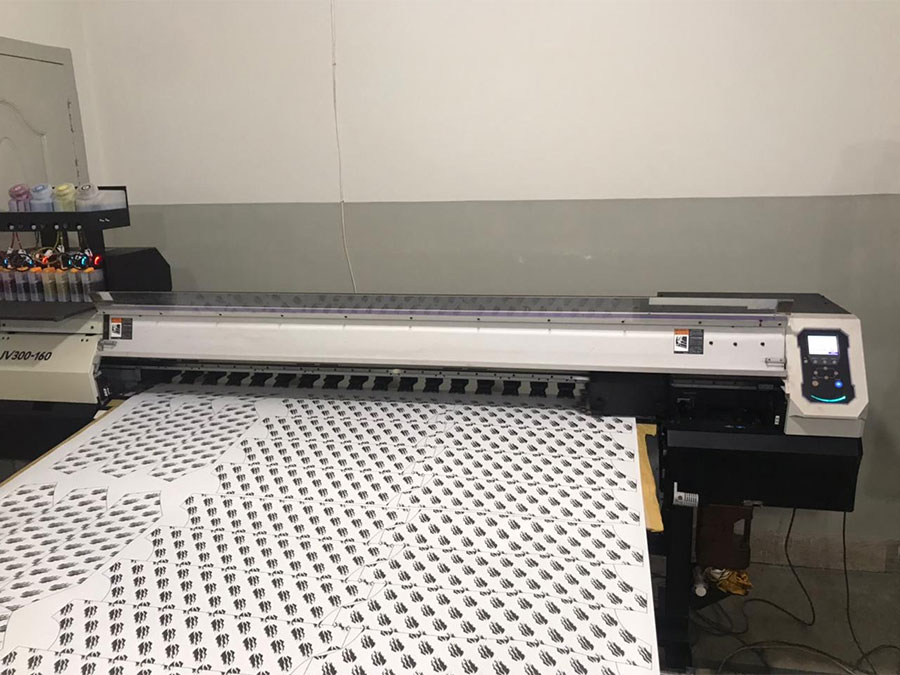
In the pursuit of peak athletic performance, we often obsess over the latest carbon-plated running shoes or high-tech fitness trackers, yet we rarely give a second thought to the thin layer of fabric separating our skin from our footwear. However, professional athletes and medical experts alike will tell you that footwear is a system, not just a shoe. When you consult with leading Sports Socks Manufacturers in USA, like DRH Sports, you quickly learn that a sock is not just a commodity; it is a critical piece of protective equipment. The right pair can be the difference between a season-ending blister or a stabilized ankle, acting as a first line of defense against the repetitive stresses of high-impact movement.
The Anatomy of Injury Prevention
How can a simple piece of hosiery actually stop an injury? It comes down to three primary mechanical functions: friction management, impact absorption, and structural stability.
- Friction Control: Blisters aren't just annoying; they can alter your gait, leading to secondary compensation injuries in your knees or hips. Technical socks use hydrophobic fibers to keep skin dry and tough.
- Micro-Trauma Reduction: Every time your foot hits the pavement, a vibration—known as muscle oscillation—travels up your leg. Specific knitting patterns help dampen this vibration, reducing muscle fatigue.
- Proprioception: Thick, targeted compression helps the brain "feel" the foot's position more accurately, which is vital for preventing rolled ankles during quick lateral cuts.
Engineering Support Through Fabric
The material composition of a sock determines how it reacts under the heat and pressure of a workout. While cotton is a household staple, it is the enemy of the athlete because it retains moisture, collapses when wet, and increases skin shear. Modern Sports Socks Manufacturers in France have moved toward "intelligent" synthetic blends and Merino wool. These materials are engineered to pull sweat away from the skin surface and move it to the outer layer of the shoe where it can evaporate. By keeping the foot dry, the sock maintains its shape and cushioning, ensuring that the protective padding stays exactly where it was designed to be—under the heel and the ball of the foot.
Technical Features to Look For
To maximize safety, your gear needs to go beyond "one size fits all." Look for these specific technical elements during your next purchase:
- Seamless Toe Links: Traditional seams create "hot spots" that rub against the toes. Seamless construction eliminates this friction point entirely.
- Arch Compression Bands: These elasticated zones keep the sock from bunching up mid-run, which is a leading cause of abrasions.
- Anatomical Left/Right Fit: Socks shaped specifically for each foot ensure that the padding aligns perfectly with your bone structure.
The Power of Graduated Compression
One of the most significant advancements in injury prevention has been the integration of medical-grade compression into athletic gear. A prominent name among Sports Socks Manufacturers in UK, understands that graduated pressure is about more than just "tightness." It’s about hemodynamics—assisting the veins in pushing deoxygenated blood back to the heart. This increased circulation reduces swelling (edema) during long endurance events and speeds up the removal of metabolic waste like lactic acid. When your muscles stay fresh, your form remains stable, significantly lowering the risk of overuse injuries like shin splints or calf strains.
Cushioning vs. Responsiveness: Finding the Balance
There is a common misconception that "thicker is always better" for protection. However, a sock that is too thick can actually decrease your "ground feel," making you less stable on uneven terrain.
- Low-Impact Activity: Cyclists and weightlifters should use thinner breathable socks because these socks provide better moisture management than shock-absorbing socks.
- High-Impact Activity: Distance runners and basketball players need shoes with special cushioning that provides extra heel and toe padding while using a lighter mesh material to let air flow through the middle section of the shoe.
- Recovery Phase: Wearing compression socks after a game is just as important as wearing them during; they stabilize the muscle fibers while they repair, reducing post-exercise soreness.
Maintenance for Maximum Protection
Even the best socks have a lifespan. Over time, the elastic fibers (Spandex or Lycra) break down, and the cushioning becomes compressed and "dead." Once a sock loses its ability to spring back or starts slipping down your heel, it is no longer preventing injury—it might actually be causing it. Most Sports Socks Manufacturers in Canada recommend replacing high-performance socks every 6 to 12 months, depending on your training volume. The bottom line is clear: your feet are the foundation of your entire kinetic chain. By investing in technically sound apparel that manages moisture and stabilizes the joints, you aren't just buying comfort—you are buying longevity in your sport.