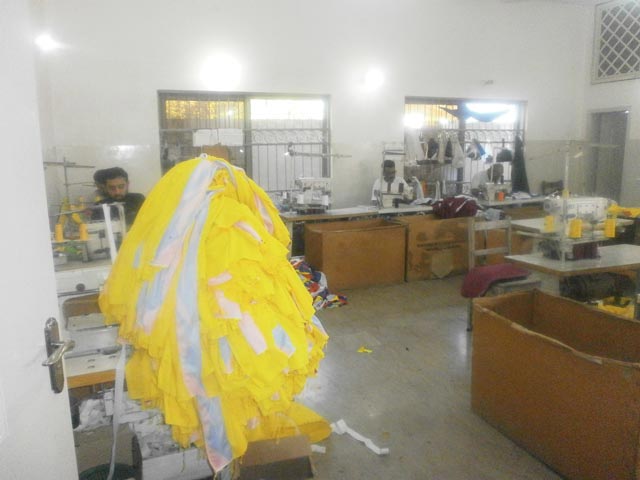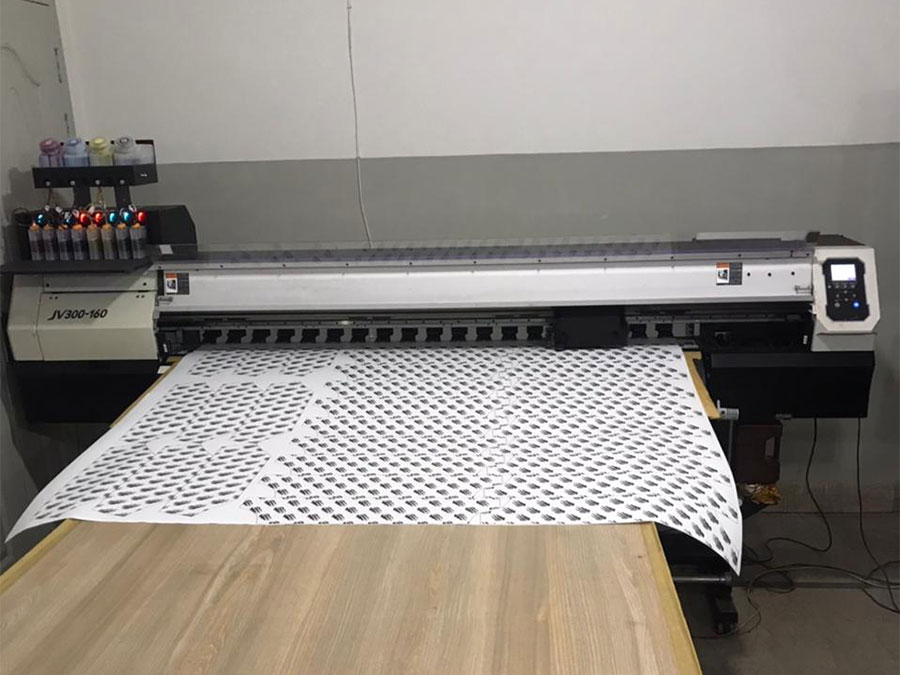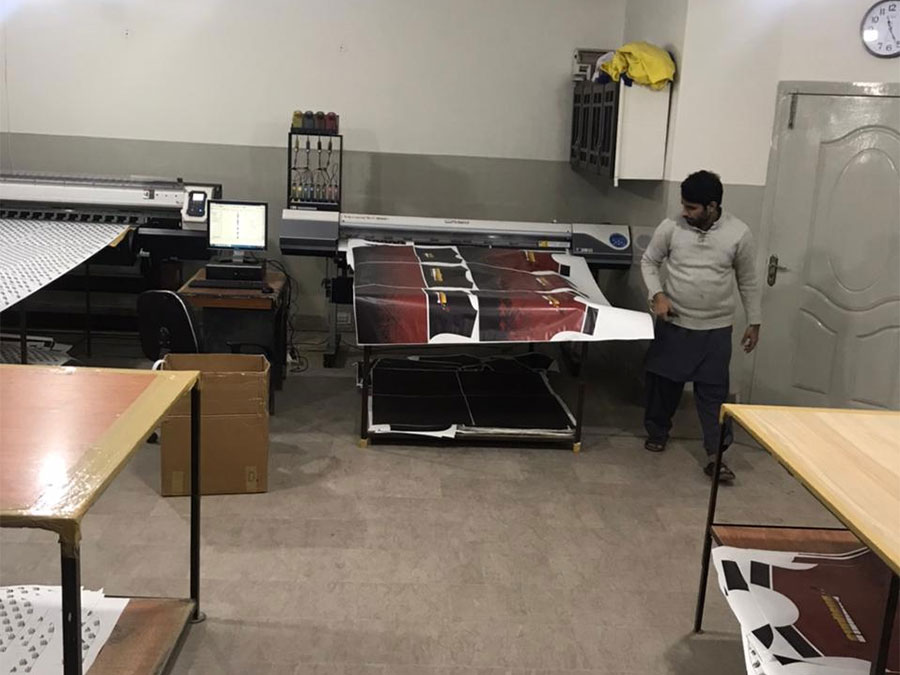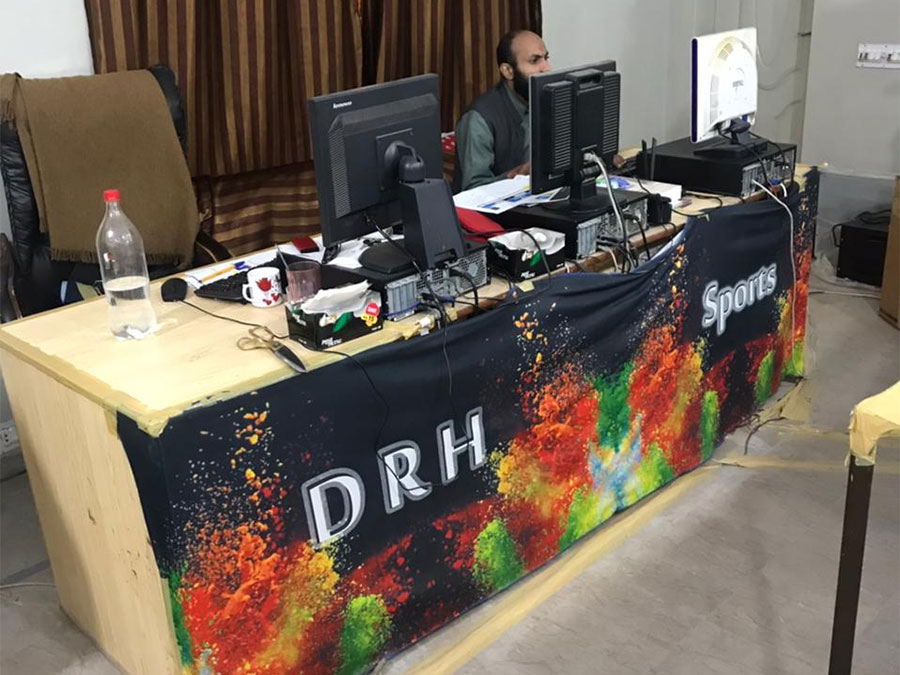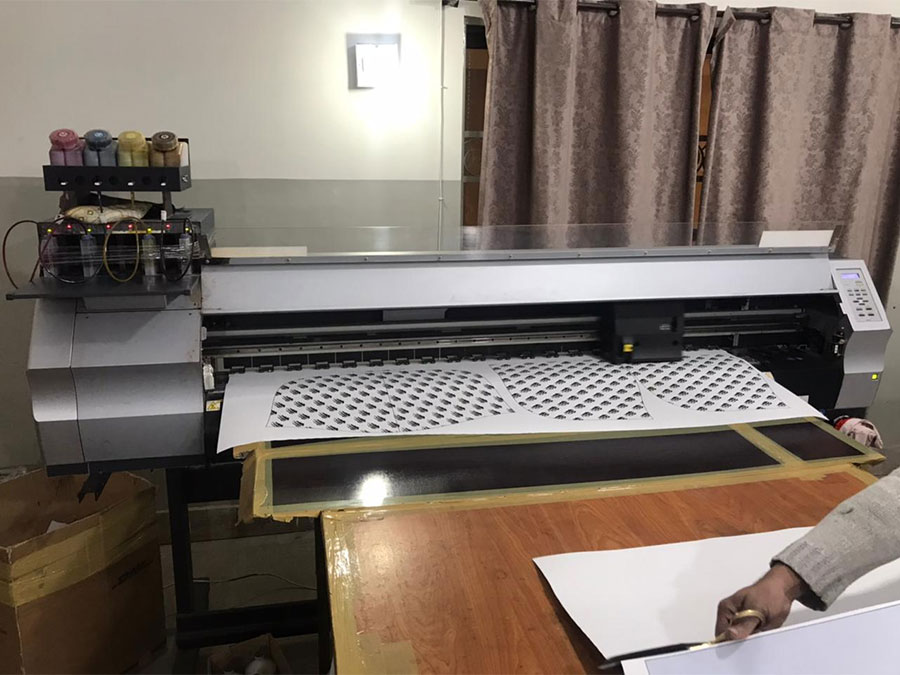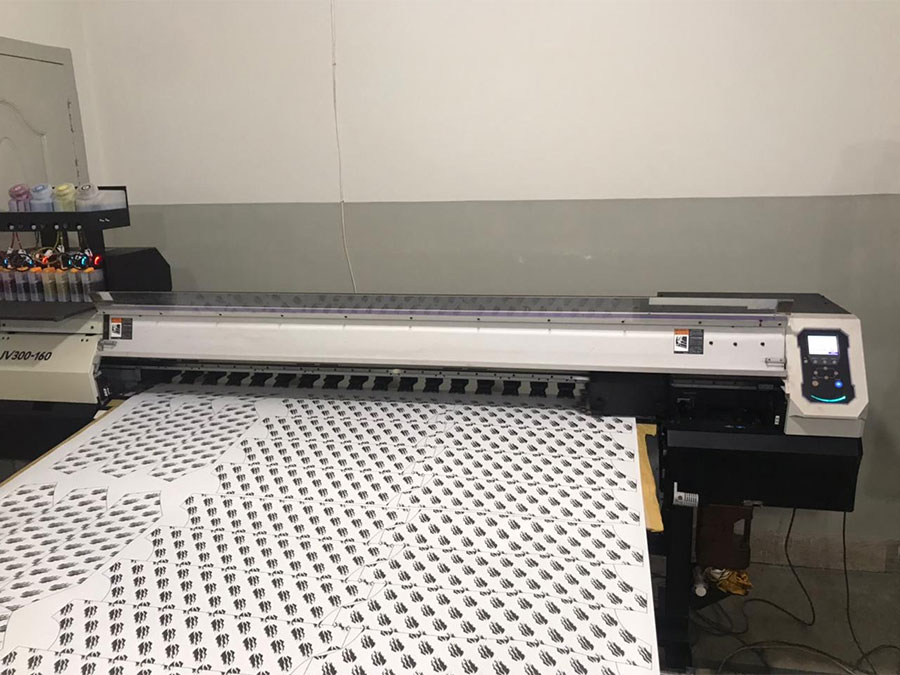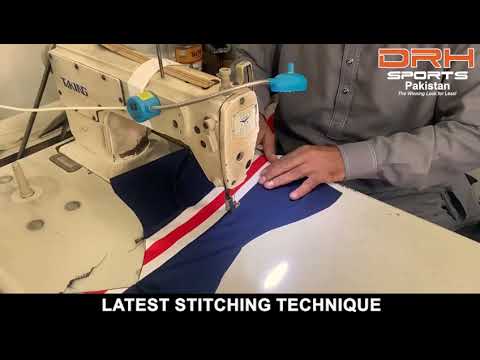
The sporting goods industry has undergone phenomenal transformation in the past decade, with most of this growth coming from the embracing of new technologies. From design and prototyping to performance enhancement and environmentally friendly production, Sporting Goods Manufacturers in Australia are leveraging innovation to stay ahead of the competition and meet evolving consumer needs. With today's sportsmen demanding not only performance-improving equipment but also durability and comfort, technology has become the mainstay in designing innovative sporting gear and clothing. The advent of data analytics, 3D printing, and smart textiles has revolutionized the designing and manufacturing of sports equipment and apparel. Whether in enhancing fit through body scanning or designing performance apparel that responds to body temperature, the union of sports and science has never been more apparent. Consequently, producers currently make products that are smarter, lighter, and more effective but of high quality and robustness.
Smarter Design Through Data and Customization
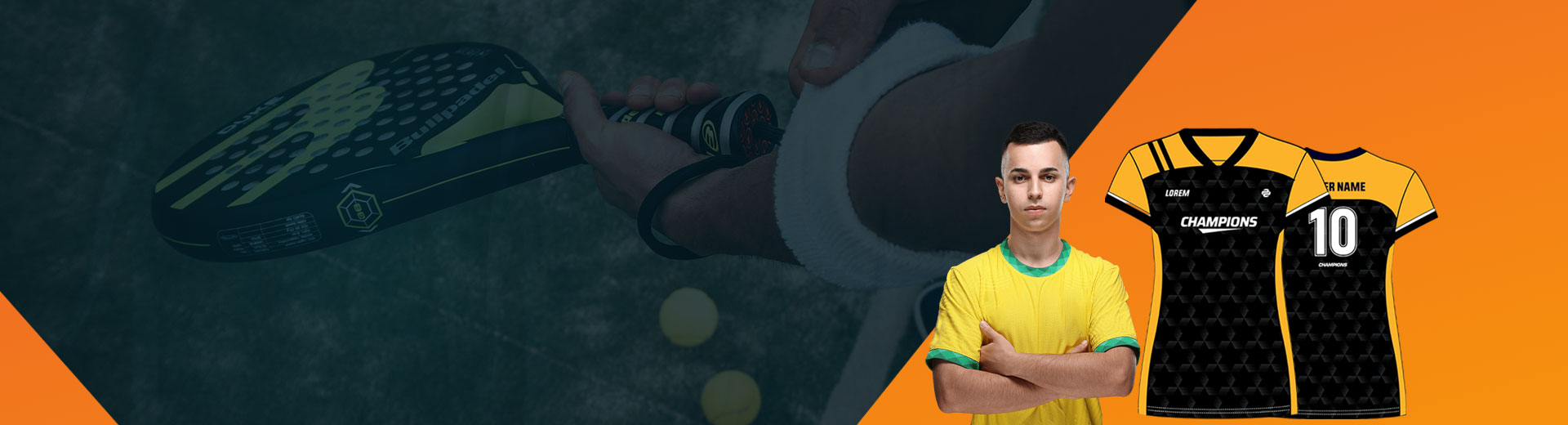
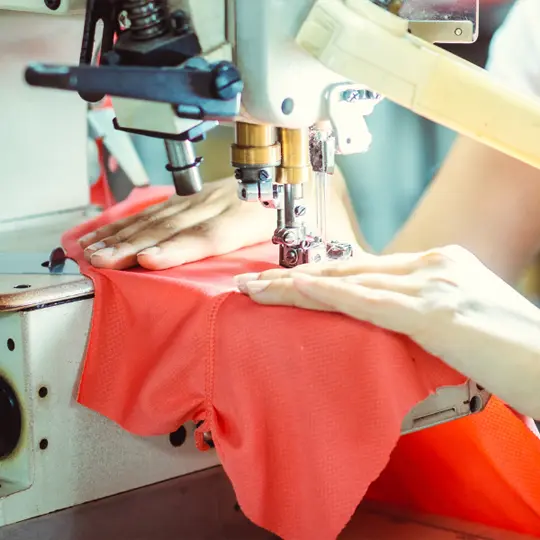
One of the most significant fields where technology is creating ripples is in the design and customization process. Manufacturers of sporting goods are now using 3D body scanning and motion analysis to learn about the biomechanics of athletes. This information enables the creation of products that are both ergonomic and personalized. For instance, sport shoes now possess midsoles which are custom-fitted to the shape of a person's foot as well as movement pattern. CAD (Computer-Aided Design) systems have made the process of designing easier as groups of individuals can visualize, modify, and fine-tune products in virtual space prior to even physical models being produced. This has contributed to shorter prototyping time and faster delivery of the products. If you need Rugby Uniforms Manufacturers in UK, you will notice that many of them are now incorporating moisture-wicking technology and mesh ventilation into their uniforms following data insights and field performance analysis. Virtual prototyping also enables quick iteration with no material wastage, and thus the process of development is more sustainable. With increasing digitization in product testing, feedback in real-time assists in fine-tuning gear with incredible precision and speed, enhancing player safety and overall performance.
Innovation in Fabrics and Wearable Tech
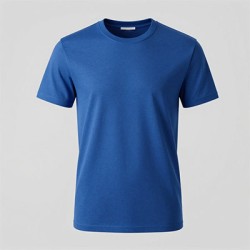
Materials have seen a revolutionary shift, thanks to developments in smart textiles and advanced fabric engineering. Sporting apparel is no longer just about style; it's about functionality. Fabrics are now embedded with sensors that can monitor heart rate, body temperature, and hydration levels, allowing real-time performance tracking. This technology is particularly beneficial for endurance events like cycling and distance running. Moisture-wicking and anti-odor properties are increasingly becoming the norm for new sportswear. For example, garments that incorporate thermoregulatory capabilities can adapt to changing body heat, offering comfort and performance-driven wear. Businesses are also experimenting with green materials like bamboo fibers and recycled polyester, hence making green alternatives an option.
For niche markets such as running, pilates, and yoga, demand for fashion as well as functional wear has encouraged legging providers to include four-way stretch, seamless production, and antimicrobial treatments in their products. Not only do these features enhance comfort but also extend the lifetime of the product, benefiting the contemporary consumer's value and sustainability interest
Smart Equipment and Real-Time Feedback
Innovative technology is also changing sportsmen's means of training and interaction with gear. High-tech sporting equipment like sensor-equipped balls, racquets, and bats are giving instant feedback on speed, spin, impact, and motion. This is gold for amateur and professional athletes wishing to perfect their art. Fitness trackers and smart watches are now de rigueur training kit, tracking heart rate through to sleep hours. A further focus has been upon developing virtual and augmented reality-based systems that simulate real-game conditions in order to train. The systems allow players to develop tactical decisions and reflexes in a risk-free, controlled environment. Coaches are also able to see performance video with data overlaid, providing more detailed feedback and tactics. Also, progress in protective gear like intelligent helmets and pads integrated with sensors is improving athlete safety by detecting potential injuries before they are aggravated. The precautionary measure is most important in high-contact sports, where prevention is better than cure of injury and the difference between a preserved and lost career.
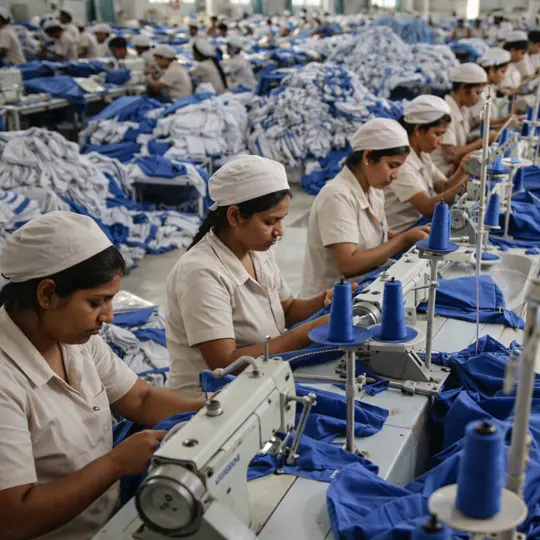
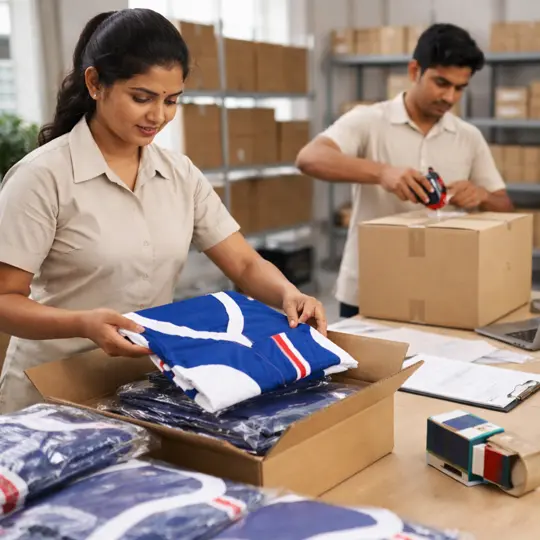
Sporting goods producers are no longer simply manufacturers but now innovators and problem-solvers, ever pushing the boundaries of what can be done using advanced technology. Blending data analytics, smart materials, and wearable technology has actually revolutionized product performance and user experience. From uniform producers using performance-driven materials to Leggings Manufacturers in USA like DRH Sports focusing on comfort, flexibility, and strength, the market is certainly going forward. As the technology evolves, we can only expect sporting gear to be smarter, personalized, and sustainable. Whether you are a professional or amateur, there is much to gain because high-tech gear makes you train smarter, play harder, and rehabilitate better than ever.