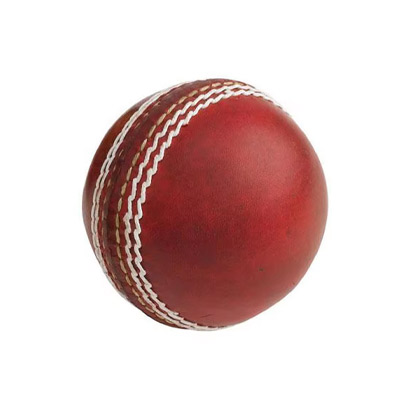
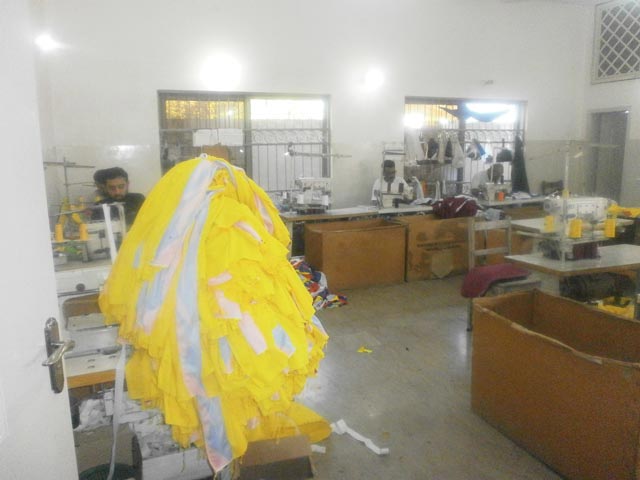
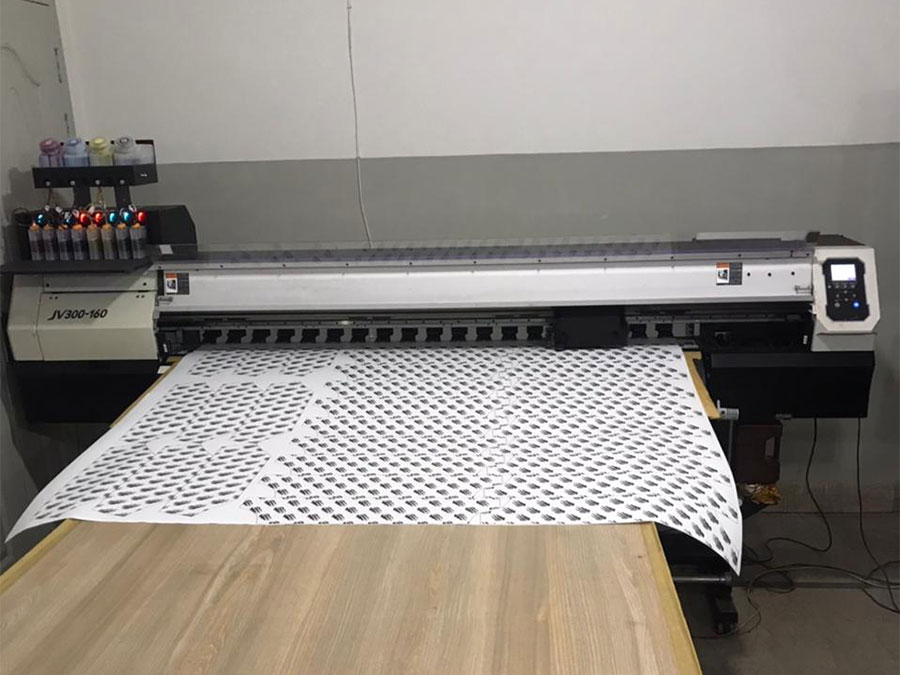
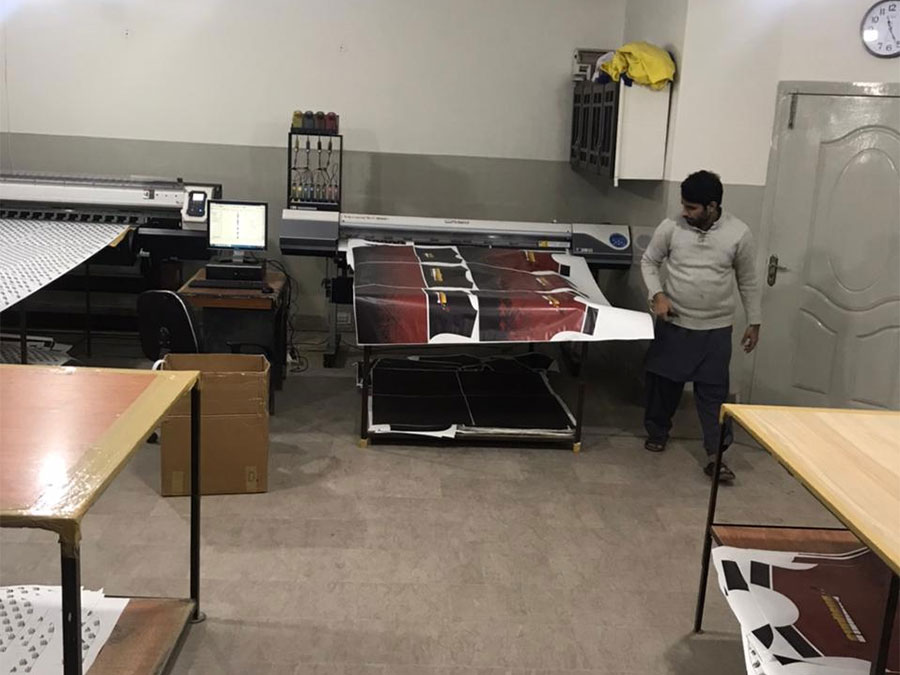
The cricket ball, one of the game's most recognizable components, hasn't changed much in appearance over the centuries, despite cricket's strong historical roots. But in recent years, Cricket Balls Manufacturers in Australia have started to combine the demands of contemporary sport with the tradition of hand-stitched craftsmanship. These producers are aware that even though the hard seam and red leather are traditional features, they must be innovative to satisfy the changing demands of teams and players at all levels. Today's cricket balls are anything but basic, requiring scientific testing, temperature-controlled storage, and premium leather. To ensure that every ball maintains its integrity during high-impact games, manufacturers are striking a balance between aesthetic authenticity and performance enhancements. The Australian market stands out in the global sports equipment landscape thanks to this blend of the old and the new.
Guesswork Is Replaced by Precision Engineering
Cricket balls were traditionally made by hand, mainly depending on the expertise and gut feelings of talented craftspeople. Although that component still exists, it is now backed by data-driven insights and precise machinery. Today's Cricket Ball Manufacturers in USA, like DRH Sports, make sure every ball satisfies stringent weight and shape tolerances by using computer-aided design. High-speed cameras are used to examine swing potential and the leather's response to dry heat or moisture. Manufacturers can create balls that perform consistently on a variety of pitches and under humid conditions by honing these components. Furthermore, quality checks are no longer merely visual. Robotic arms apply pressure to test the durability of each ball's core and instruments like spectrophotometers help guarantee consistent color and shine.
Customized Balls for Various Game Types
The development of cricket balls tailored to a particular format is among the most noteworthy innovations made by Australian manufacturers. Different performance traits are required for Twenty20 (T20), One Day Internationals (ODIs) and Test matches. White and pink balls have become standard in ODIs and day-night matches, respectively, while red balls are used for test matches because of their durability. To maintain these balls' high visibility in a variety of lighting conditions, manufacturers are experimenting with new dyeing and finishing techniques. To stop color fading during twilight, pink balls are now covered in UV-resistant lacquer. White balls are polished to a high degree to lessen discoloration from dust or grass.
Eco-Friendly Materials And Sustainable Leather Processing
Tanning leather for cricket balls often involves the use of dangerous chemicals and high water levels. To lessen their environmental impact, manufacturers are now using water-recycling systems and vegetable tanning techniques. Thanks to this modification, which has also increased leather quality and made the industry more sustainable. Better livestock resources enable regional producers to source leather more ethically near production facilities. These balls are better for the game and the environment because of their eco-friendly production methods, lower emissions, and cheaper shipping costs. Interestingly, Rash Guards Manufacturers in UK, who have long placed a high priority on eco-friendly, skin-safe materials, have served as an inspiration for some innovation in the sports manufacturing industry.
Improved Sturdiness and Feedback Loops for Players
Durability has always been a major issue in the production of cricket balls. In test matches and even longer in training sessions, a ball must hold its hardness and shape for at least 80 overs. Manufacturers have added innovations such as multi-layer cork production, synthetic core supports and fresh stitching methods to increase a ball's longevity while sustaining grip and seam sharpness. Such improvements are vital to these players' feedback. To test models and provide immediate feedback on wear patterns, bounce response, and seam thickness, professional cricket players work with manufacturers regularly.
An extension to which Australian manufacturers show commitment to preserving such identity remains unique. In this, a team effort exists wherein stringent rules and the element of open procedures impart to each cricket ball an unusual blend of innovation and tradition. Due to their growing fame, they are now exported to the major cricketing nations. Although some manufacturers continue to be family-run, their businesses have developed into highly technologically sophisticated facilities that can produce thousands of balls a year without sacrificing quality. These manufacturers are positioned as global contributors to the growth of cricket, as evidenced by the emergence of international leagues and grassroots cricket in developing countries.