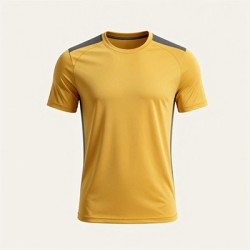
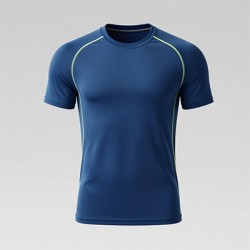
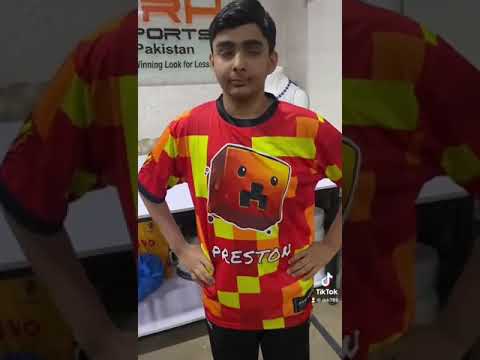
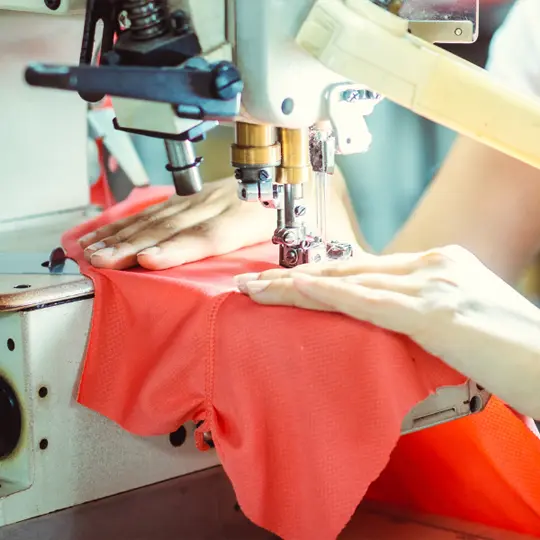
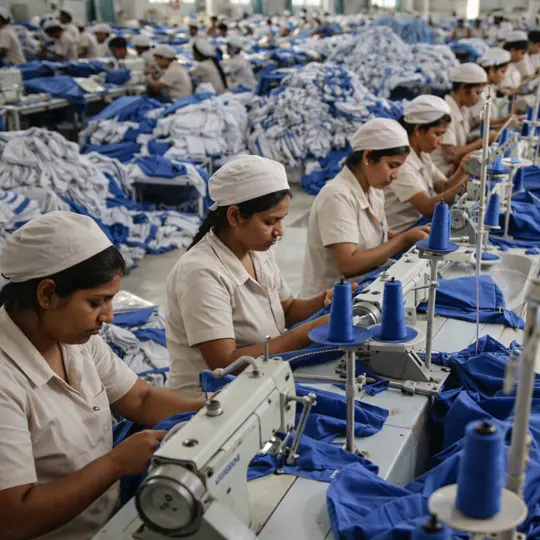
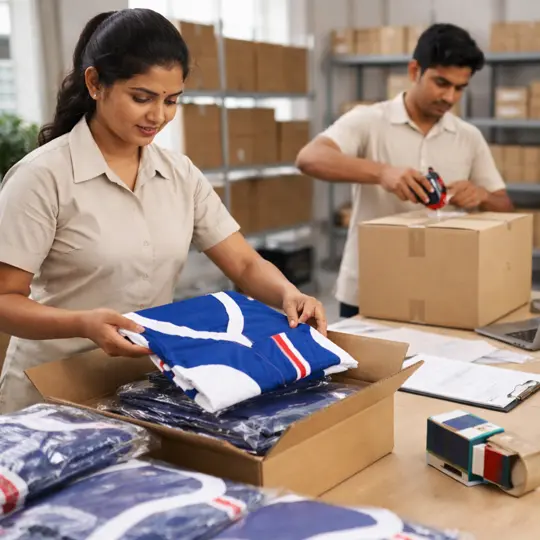
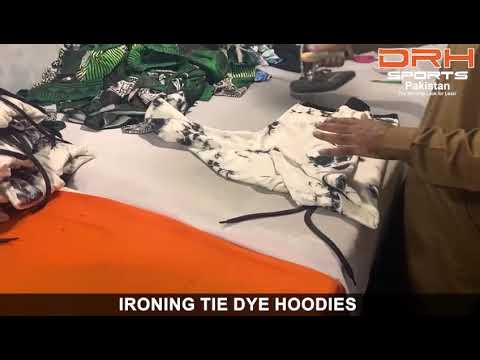
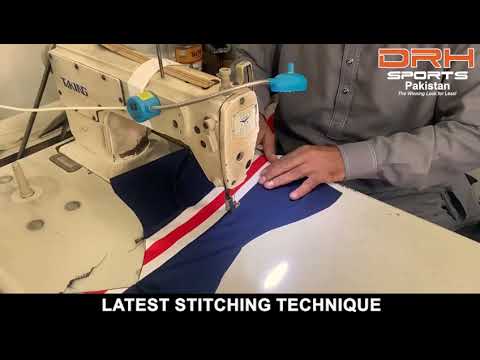
In an environmentally-conscious world, sustainability is no longer just a buzzword—it's a revolution changing industries worldwide. The sportswear industry, with its high production levels and use of synthetic materials, is at the forefront of embracing this change. At the forefront of this change are Sporting Goods Manufacturers in USA, with DRH Sports, one of the top Sports Clothing manufacturers in the USA, leading the charge with innovation, quality, and green production.
Now, the question isn't one of whether sustainability is achievable but one of how far companies can push it as the new norm for athletic wear globally.
The Rise of Eco-Friendly Sportswear
Sportswear is no longer just about style and performance. Contemporary athletes and fitness lovers are becoming more aware of how their equipment affects the environment. The call for green sports clothing is on, and the industry is meeting the challenge with:
- Producing materials such as recycled polyester and nylon to cut down on waste.
- Encouraging apparel that has little or no environmental impact.
- Minimizing dyeing and washing processes, which waste thousands of liters.
- Promoting equitable work conditions throughout the supply base.
These innovations are redefining what it is to create performance-driven yet responsible sportswear.
Why Sustainability Matters in Sports Manufacturing?
Sustainability in sport isn't about image, it's about impact. The world's apparel sector alone is a major source of carbon emissions and waste. With the use of greener processes, manufacturers can:
- Reduce energy usage.
- Decrease plastic waste from synthetic products.
- Increase the product lifespan.
- Boost their brand reputation among ethically conscious consumers.
For sports brands and athletes, standing with sustainable production is now a values statement, a performance statement, and a purpose statement.
Expanding the Global Effort Toward Sustainability
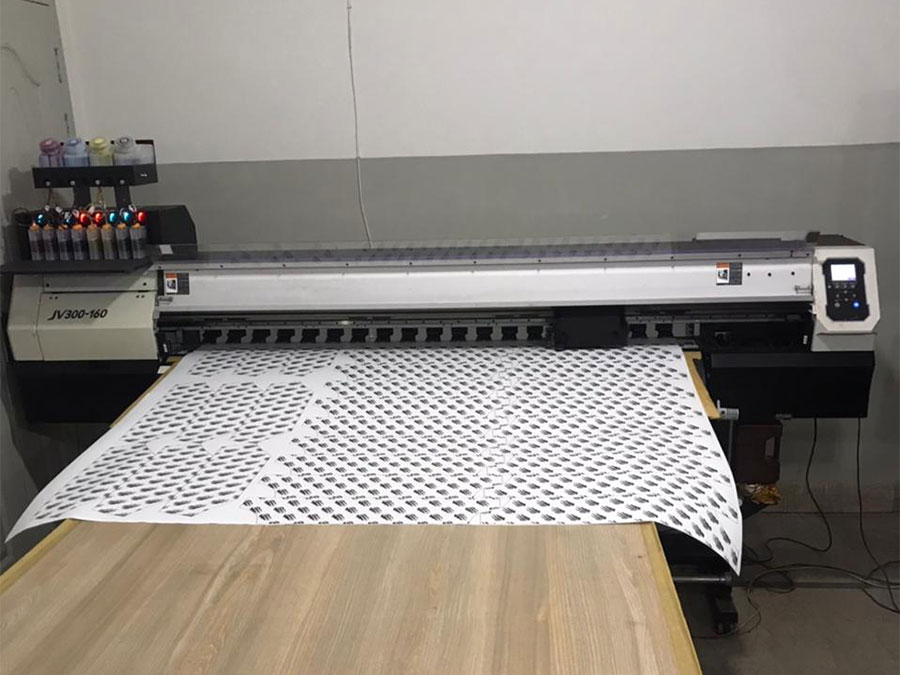
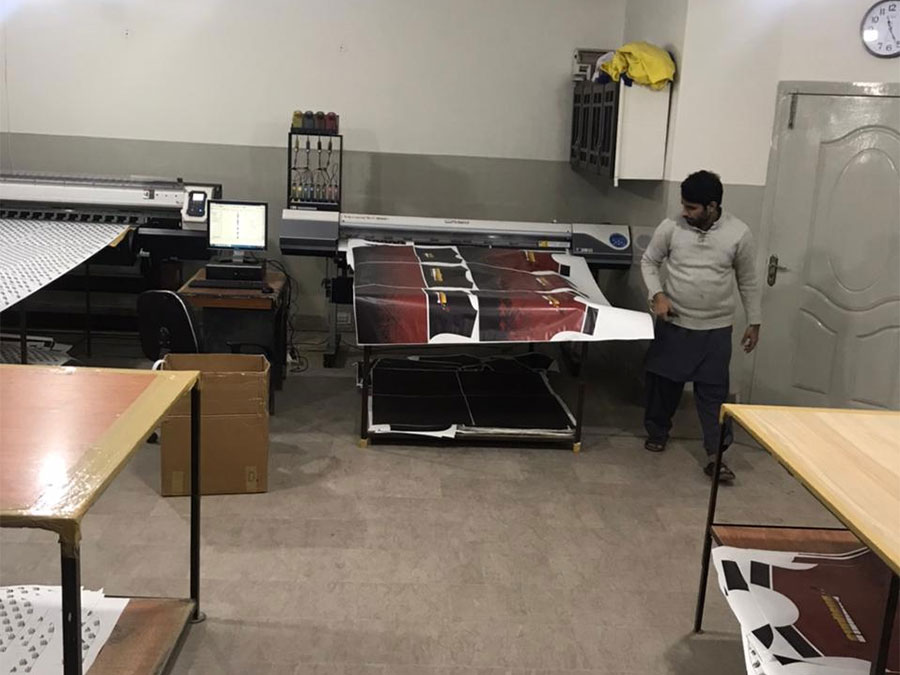
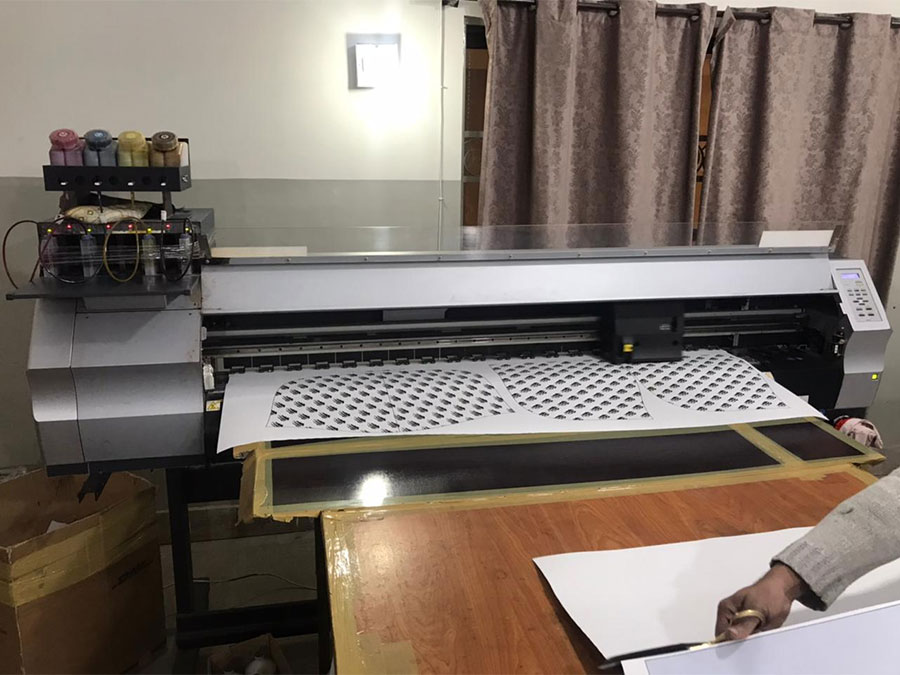
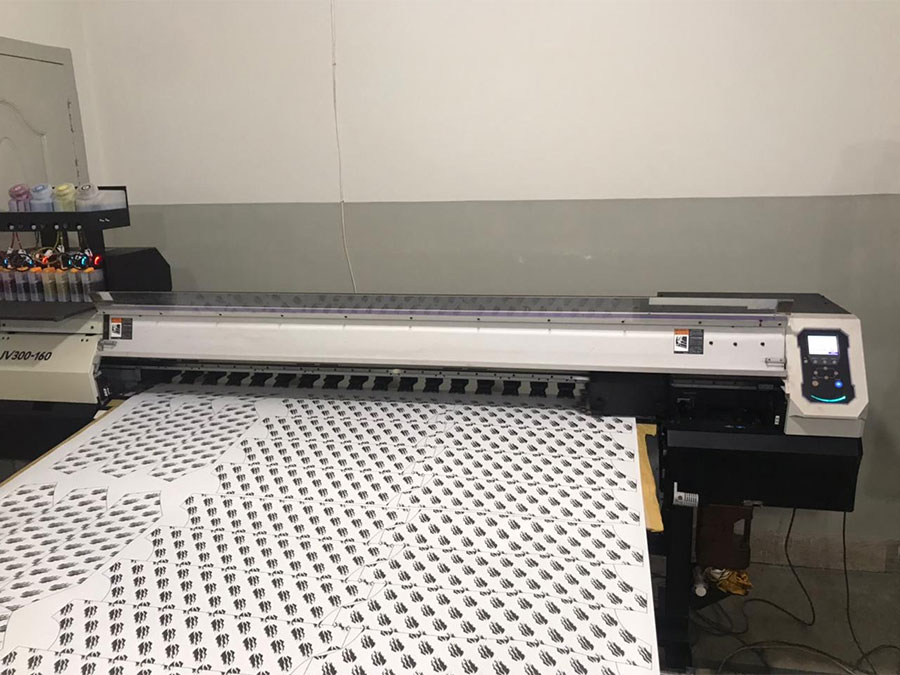
Sustainability does not stop at borders; it's a global cause with every region playing its own special part. As an example, Sublimation Socks Manufacturers in UK are embracing new printing techniques that cut down on fabric waste and do away with water-based dyes. Sublimation technology provides an opportunity to infuse designs into the fibers of the fabric, making color last longer without hurting the environment.
This method demonstrates how even accessories as small as socks can contribute to the encouragement of eco-friendly fashion in the sporting industry.
Performance Meets Responsibility
Today's sportspersons want sportswear that works under pressure yet is ethical and sustainable. Sustainable sportswear, in turn, has to fit both requirements. This is where technology steps in, marshaling breathable fabric, stretchy material, and moisture management with sustainable production.
Consider, for instance, Running Uniforms Manufacturers in Australia, which has led the way in using light, recycled material to produce equipment that makes a runner more agile with less impact on the environment. Their dedication to both quality and sustainability illustrates how performance and responsibility need not be mutually exclusive.
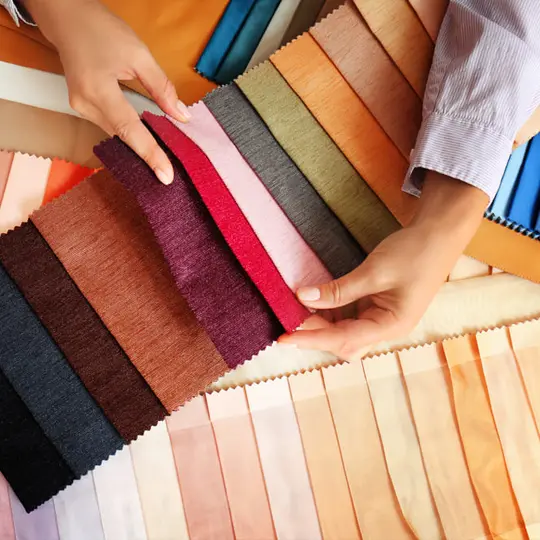
Materials Shaping the Future of Sportswear
The move towards sustainable materials is fueling innovation at all levels of production. Some of the most exciting developments are:
- Recycled Polyester is produced from old plastic bottles.
- Organic Cotton is produced without synthetic pesticides or fertilizers.
- Bamboo Fiber provides natural softness and breathability.
- Plant-Based Dyes replacing toxic chemical coloration agents.
Manufacturers adopting these materials not only minimize waste but also favor a circular economy that profits both the planet and the industry.
Sustainable Equipment: A New Frontier
Though clothing takes center stage, sustainability is now finding its way into the realm of sporting goods. For example, Volleyballs Manufacturers in Australia are creating environmentally friendly balls from natural rubber and sustainably harvested resources. Such innovations hold exceptional performance standards but minimize reliance on petroleum-based materials.
This growth beyond apparel represents a bigger change, one in which all facets of sport, from jerseys to hats and gear, are part of the movement towards a greener future.
Challenges Facing Sustainable Sportswear
Shifting to sustainable practices has its challenges. Manufacturers usually encounter:
- Green materials may cost more.
- Sustainable fabric supply is not always easy to find.
- Price is still king for many.
But with increasing awareness and technology, these obstacles are slowly disappearing. The outcome is a more sustainable and innovative manufacturing world that serves everyone from producers to players to the planet.
The Future of Sportswear Manufacturing
The sportswear future is not only quick, it's intelligent and sustainable. Companies are increasingly relying on automation, AI, and 3D modeling to streamline production, reduce waste, and tailor designs. In addition, brands working with reputable manufacturers can anticipate:
- Traceable and ethical sourcing.
- Leveraging renewable energy and sustainable logistics.
- Inviting customers to return retired gear for reuse.
These efforts mark a new generation of sportswear where innovation and environmental stewardship collaborate hand in hand.
Final Thoughts
Sustainability is no longer a need, it's a mandate that shapes the future of sports production. With the world stepping into a cleaner tomorrow, the partnership among players across the world, from soccer sock producers in the UK to running apparel manufacturers and volleyball equipment manufacturers in Australia demonstrates that advancement is a collective effort. The next wave of sportswear will be built not only for performance but also for the planet, and the manufacturers who adapt today will lead the game tomorrow.