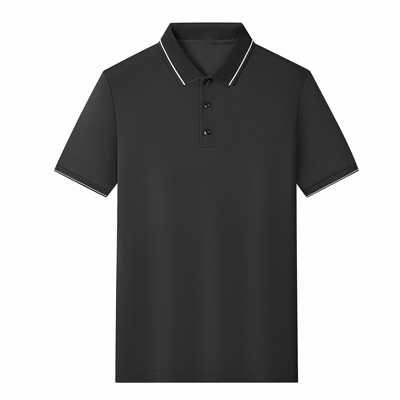
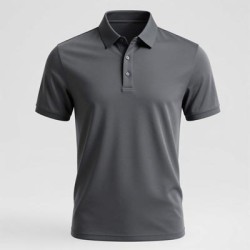
In a global apparel market driven by trends that change overnight, consistency has quietly become a powerful identifier. Buyers now tend to judge garments not by their style alone, but also on their reliability-something that is evident on staple items like polo shirts that ride between being casual, corporate, or sporty. This is where Polo Shirt Manufacturers in Japan have formed a distinctive position, not by chasing volume alone, but by refining processes, discipline, and values that deliver the same excellence season after season.
A Culture That Values Precision Over Speed
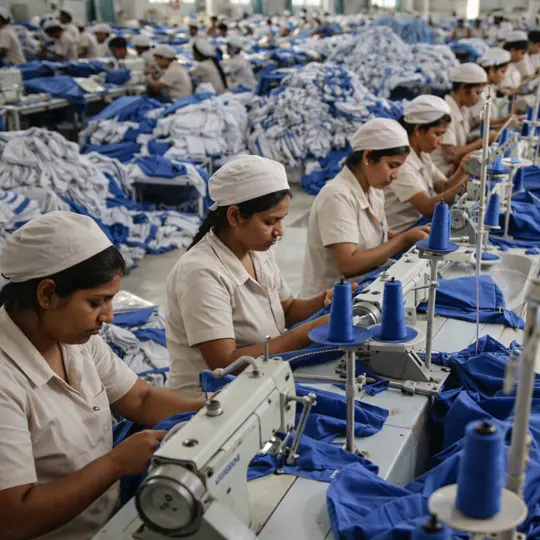
At the heart of their competitive edge lies a cultural emphasis on precision, where every step of production is treated as a craft rather than a shortcut. Fabric inspection, yarn selection, and stitch density are approached with almost ritual consistency, assuring that one batch mirrors the quality of the last. This mindset favors long-term trust over short-term gains, making production timelines predictable without compromising standards. While Polo Shirt Manufacturers in USA, like DRH Sports, often focus on rapid scalability to meet fluctuating demand, this methodical approach prioritises uniformity that buyers can confidently reorder.
Standardized Processes That Leave No Room for Guesswork
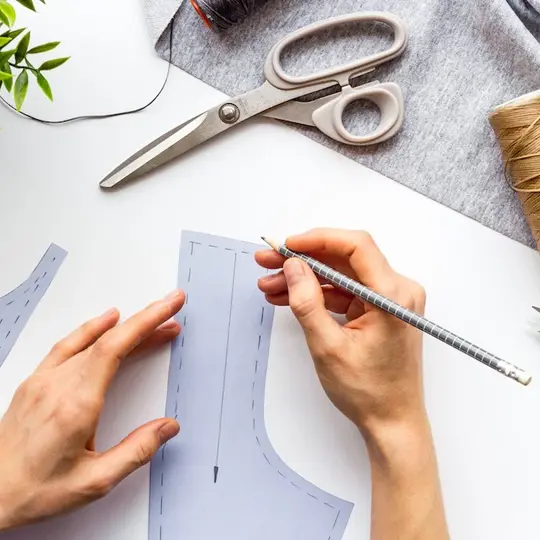
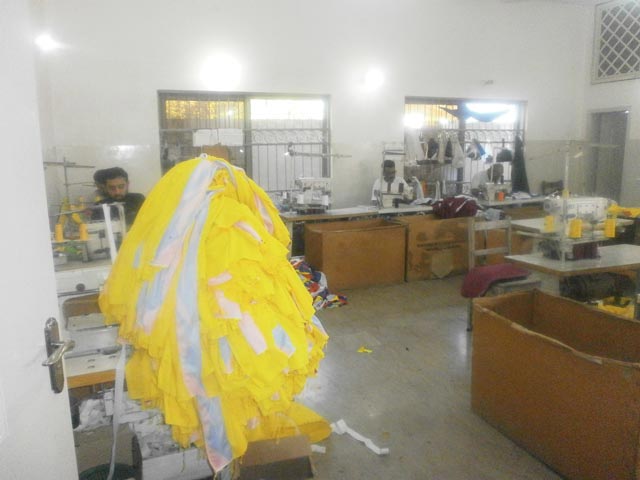
Consistency is rarely accidental; it is built into standardized systems that reduce variability at every stage. From pre-approved fabric swatches to documented sewing techniques, manufacturers depend on detailed protocols that guide workers regardless of order size. These systems make onboarding new staff smoother and prevent quality dips during peak seasons. By minimising guesswork, production results remain stable, helping brands maintain a uniform identity across different collections and years.
- Documented Quality Benchmarks: Clear guidelines ensure that each garment meets predefined standards without subjective interpretation.
- Repeatable Production Methods: Structured workflows allow results to stay consistent even as volumes increase.
- Reduced Error Margins: Systematic checks catch minor deviations before they become costly issues.
Fabric Consistency as a Brand Promise
One overlooked factor in polo shirt manufacturing is fabric continuity, which plays a huge role in how people perceive quality. Manufacturers tend to invest many resources in establishing long-term relationships with fabric mills and often deal with the same partners for many years. This ensures cluster texture, a certain weight, and the response to dyes, thus remaining the same through repeated orders. In contrast, markets served by Polo Shirt Manufacturers in Canada sometimes prioritise seasonal fabric innovation, whereas this model focuses on reassuring familiarity that corporate buyers and uniform programs value deeply.
Skilled Workforce and Knowledge Retention
Consistency is sustained not only by machines but also by people who understand the nuances of the product. Skilled workers are trained extensively and often retained for long periods, allowing institutional knowledge to accumulate rather than reset. Having subtle skills, collar roll or placket alignment, the employee trained hands-on over the years has perfected these arts. This continuity lowers dependency on constant supervision and reinforces a shared sense of responsibility for quality output.
- Long-Term Skill Development: Continuous training refines craftsmanship instead of relying on quick fixes.
- Lower Workforce Turnover: Experienced teams help maintain uniform quality across production cycles.
- Embedded Quality Awareness: Workers internalise standards, making quality control proactive rather than reactive.
Balanced Automation Without Losing Human Touch
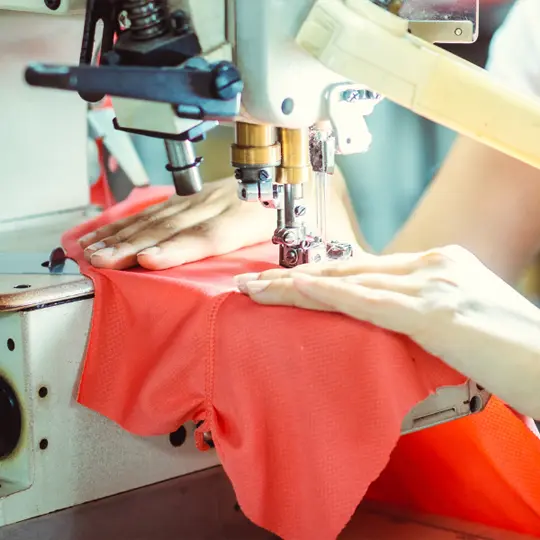
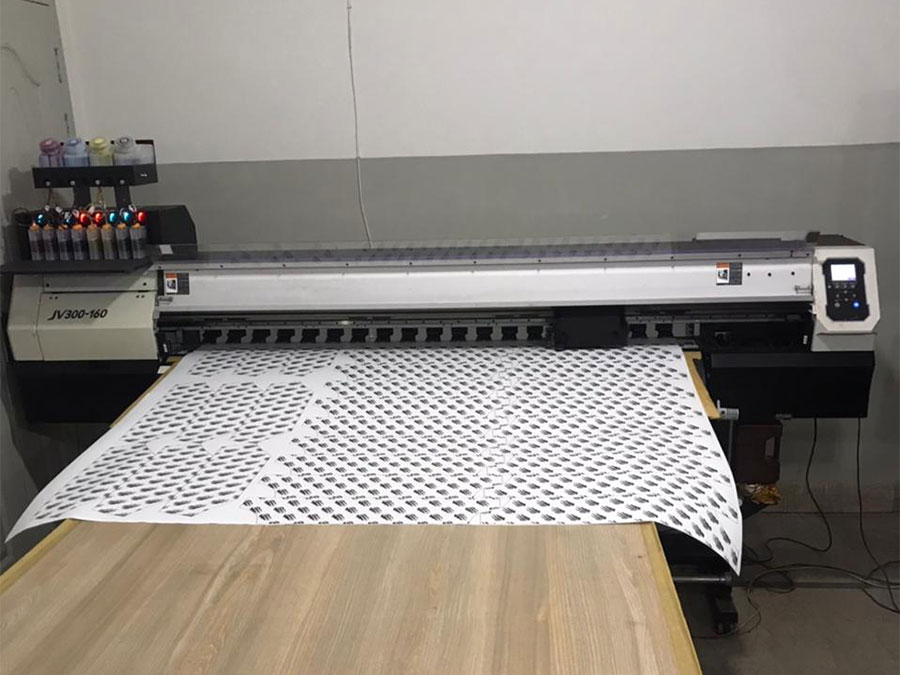
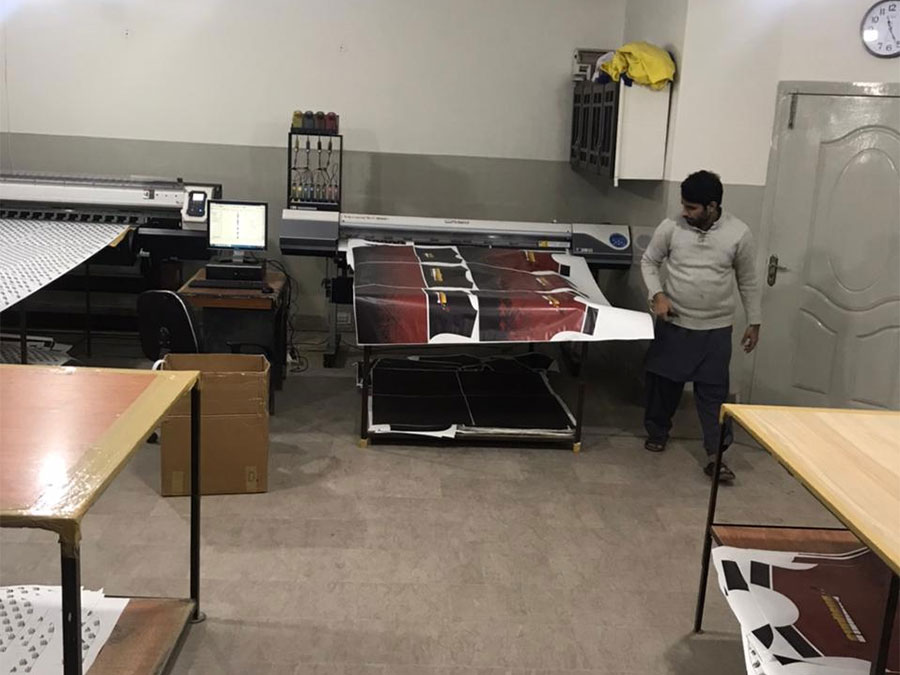
Automation plays a role, but it is applied selectively to support, not replace, craftsmanship. The majority of the repetitive tasks are assigned to machines, while humans are active participants in giving the final shape to garments that meet the beauty and utility parameters. This balance avoids the pitfalls of over-automation, where speed can sometimes overrule subtle quality cues. Compared to highly volume-driven hubs like Polo Shirt Manufacturers in Brazil, this approach assures that efficiency never overshadows consistency.
Quality Control as a Continuous Loop
Although inspection could be considered the last threshold, the flow of quality control is done throughout production. Each stage feeds information back into the system, allowing adjustments before issues multiply. This continuous loop helps align the design intent with the eventual output, especially in long-running product lines. The buyers are not surprised by the return rate reduction, thus strengthening the long-term relationships that are built on reliability.
Why Consistency Wins in a Trend-Driven World
In an industry obsessed with what’s new, consistency offers something rare: peace of mind. Brands and buyers know exactly what they will receive, season after season, order after order. This predictability supports planning, reduces waste, and builds customer loyalty in ways that flashy innovation often cannot. By turning discipline into an asset rather than a limitation, these manufacturers have shown that doing the same thing well, every time, can be the most powerful strategy of all.