Starting a clothing line is a challenging process, particularly when navigating the confusing area of technical apparel. For entrepreneurs in Great Britain, the journey from a rough sketch to a gym-ready garment involves a unique set of hurdles and high-performance standards. While the allure of "Made in Britain" carries significant weight in terms of quality and ethical transparency, the process needs a meticulous approach to material science and logistics. By following a structured roadmap, Custom Sportswear Manufacturers in UK transform a creative vision into a tangible brand that resonates with athletes and fitness enthusiasts alike, assuring your debut collection is as functional as it is fashionable.
Define Your Niche and Brand Identity
The first step is more intellectual than physical; you must identify the "why" behind your brand before you ever touch a piece of fabric. The sportswear market is incredibly fragmented, ranging from high-intensity CrossFit gear to zen-focused yoga attire. Understanding your target demographic's specific pain points, such as thigh chafing or poor waistband compression, allows you to build a brand that solves real problems. While many new designers find inspiration in the expansive catalogs of Custom Sportswear Manufacturers in USA, like DRH Sports, the British market favors a more tailored, boutique approach. Developing a cohesive brand story and a sharp visual language at this stage ensures that your manufacturer understands the "vibe" you are trying to project, which is critical for consistent production.
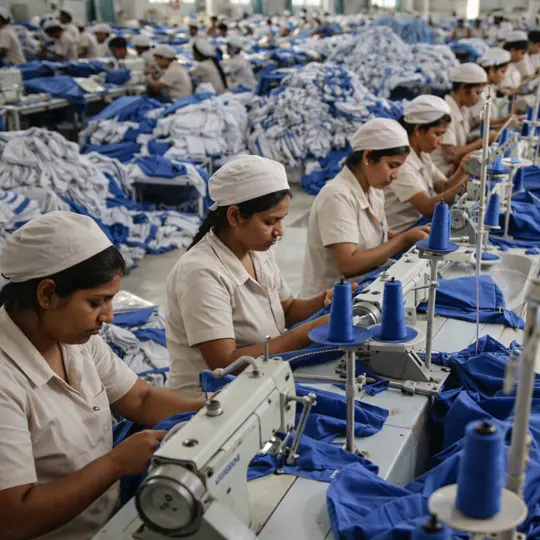
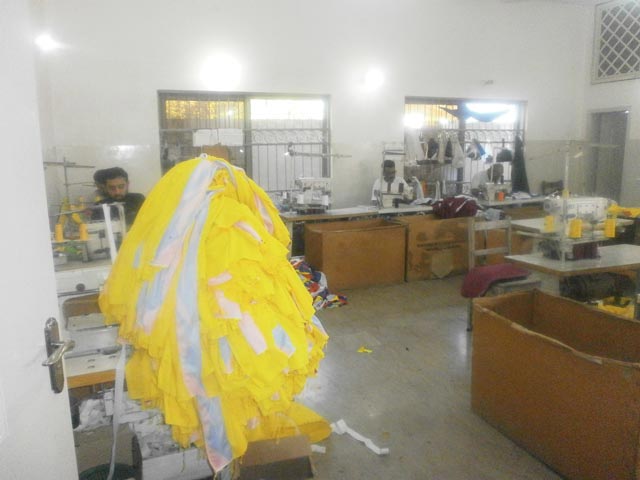
- A factory visit, if possible, gives firsthand information about the working conditions and the quality of the machinery being used.
- Check for certifications such as GOTS for organic fabrics or OEKO-TEX to assure the dyes are non-toxic and safe for skin contact
- Clear communication protocols are essential; assure your factory contact is responsive and understands the nuances of technical stitching.
Plan Your Logistics and Launch Strategy
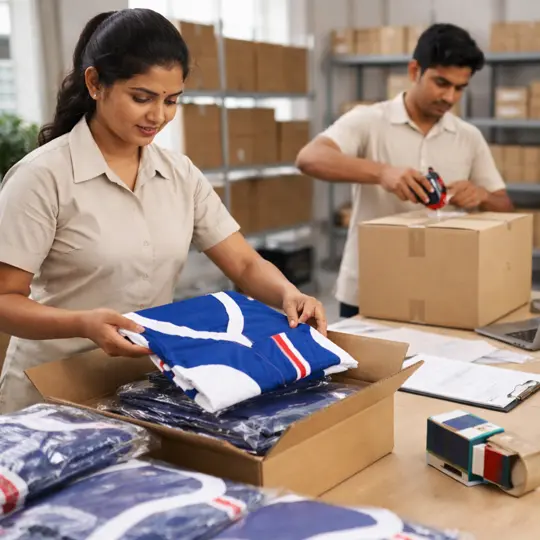
This involves setting up your e-commerce platform, choosing sustainable packaging, and planning a digital marketing campaign that highlights your "Made in UK" credentials. Because sportswear is a high-touch product, photography must be at its highest level, exposing the nubs of the fabric and the accuracy of the seams. While the initial investment might be daunting, a localized supply chain allows for faster restocks and more agile responses to emerging fitness trends. By the time your first shipment shows up, your marketing should have already made a community of eager followers ready to put your gear to the ultimate test.
Source Technical Fabrics and Develop Tech Packs
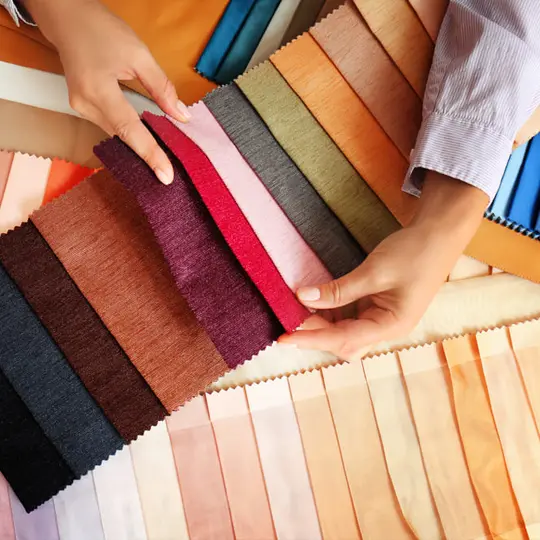
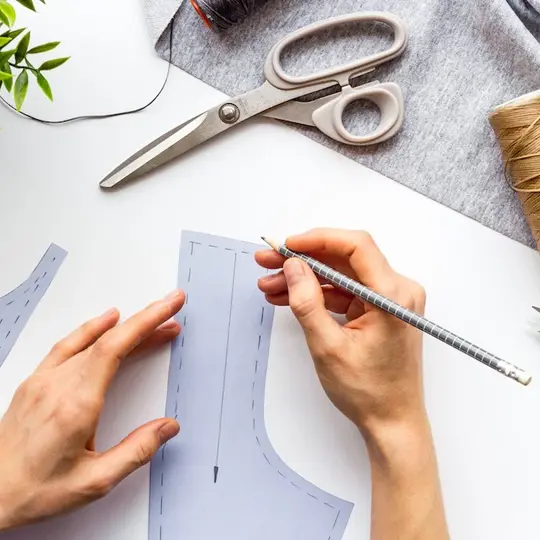
Sportswear is arguably the most difficult apparel category to master because the materials must perform under extreme physical stress. You aren't just looking for color; you are looking for four-way stretch, moisture-wicking capabilities, and antimicrobial properties. In this phase, creating a "Tech Pack" is non-negotiable; this is your blueprint that includes every measurement, seam type, and material specification. It is interesting to note that the rigorous fabric testing standards used by Custom Sportswear Manufacturers in Australia have influenced global trends toward UV-protective and heat-dispersing threads. A comprehensive tech pack acts as a universal language, reducing the risk of costly sampling errors and ensuring that the factory floor executes your vision with surgical precision.
Select the Right Manufacturing Partner
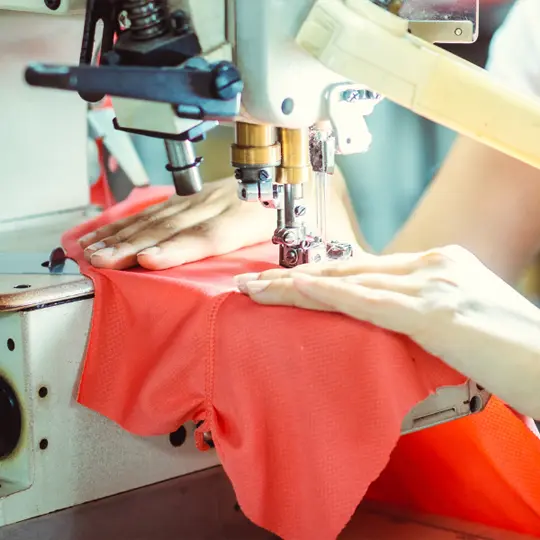
Finding a factory is like dating; you need a partner whose capabilities and ethics align with your long-term goals. In the UK, you have a choice between CMT (Cut, Make, Trim) factories, which need you to provide all materials, and Full Package Production (FPP) facilities that handle sourcing for you. Beyond technical skill, you must vet their commitment to fair wages and sustainable waste management, as modern customers are increasingly sensitive to the ethics of their gym wear. A manufacturer that provides low minimum order quantities (MOQs) is often the best choice for startups, as it allows you to test the market without drowning in unsold inventory.
Create and Refine Your Prototypes
The first thing you should do is put your prototypes through the squat test, then wash them several times to see if any shrinkage occurs, and, finally and most importantly, have real athletes test-wear them in training. During this iterative cycle, some designers look to the high-volume efficiency of Custom Sportswear Manufacturers in Canada for inspiration on streamlined construction, yet the UK’s strength lies in its ability to handle small-batch, high-complexity refinements. Adjusting the placement of a pocket or the tension of an elastic band at this stage can be the difference between a product that sells out and one that gets returned by frustrated customers.
- Prototypes serve as the physical proof of concept, allowing you to catch design flaws.
- Wear-testing should involve people of different body types to assure your size grading is inclusive and accurate.
- Use the sampling phase to finalize your "trims," such as high-quality heat-press logos and tagless labels that won't irritate the skin.
Achieving Long-Term Brand Momentum
As your brand grows, the relationship you have built with your manufacturers will become your most valuable asset, allowing for smoother production cycles and constant product evolution. The transition from a startup to a household name requires a relentless focus on the athlete's experience and a willingness to innovate with new smart fabrics and sustainable methods.