In the high-pressure world of cricket, the difference between a boundary and a trip to the emergency room is often just a few millimeters of high-density foam. When a five-ounce leather ball is flying at a batsman’s ribs, there is zero room for equipment failure. This is why digging into the "boring" side of the sport—the manufacturing process—is actually the most important safety job a coach has. Working with reputable Cricket Goods Manufacturers in Australia isn't about chasing a famous brand name; it’s about making sure the gear sitting in your kit bag has been stress-tested to survive an impact that would crack ordinary plastic. Quality control is the invisible shield that lets a player stand their ground with confidence.
The Anatomy of Impact Protection
A cricket ball is essentially a projectile made of cork and twine wrapped in hardened leather. To keep a player safe, the protective gear has to do two things: stop the ball and spread out the energy of the hit.
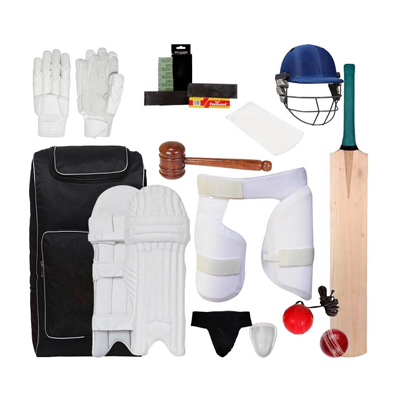
- Shock Absorption: High-quality batting pads use multiple layers of Cane and High-Density Foam (HDF) to deaden the "thud" of the ball.
- Shell Integrity: Helmets must be made of high-impact ABS or carbon fiber. If the shell is too brittle, it will shatter; if it’s too soft, it will dent into the player's skull.
- The Grille Factor: The gap between the peak of the helmet and the steel grille must be small enough that a ball cannot squeeze through, even at high speed.
Why Certification is the Only Goal
When you are scanning the market for Cricket Goods Manufacturers in UK, look for the safety stamps before you look at the price tag. In the UK, the BS 7928:2013 standard for helmets is the gold standard. This isn't just a sticker; it means a laboratory has literally fired cricket balls at that helmet from every angle to ensure it won't fail under pressure. A manufacturer that doesn't put their gear through these rigorous, independent tests is a massive red flag. By choosing certified equipment, you’re ensuring that the engineering behind the gear is backed by science, not just marketing promises.
- Red Flags: You don't need to be an engineer to spot equipment that shouldn't be on a cricket pitch. Perform a quick "safety audit" on any new gear with these steps:
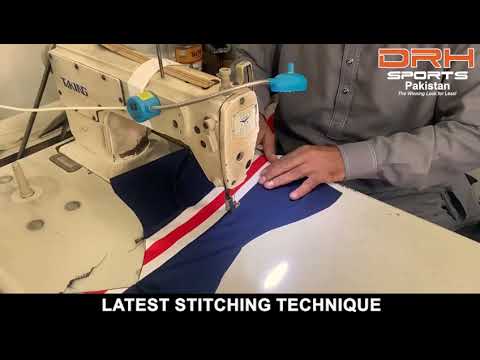
- The Stitching Test: Look at the seams of the batting gloves. If you see loose threads or "skipping" in the stitch line, the padding will shift during play, leaving the fingers exposed.
- The Handle Check: For bats, a poor-quality handle won't have the rubber or cork inserts needed to absorb vibration. This leads to "stinging" hands and can cause long-term wrist injuries.
- The Foam Memory: Press your thumb into the padding of a leg guard. It should feel firm and "spring" back instantly. If it feels like cheap sponge, it won't stop a fast ball.
The Reliability of Industry Leaders
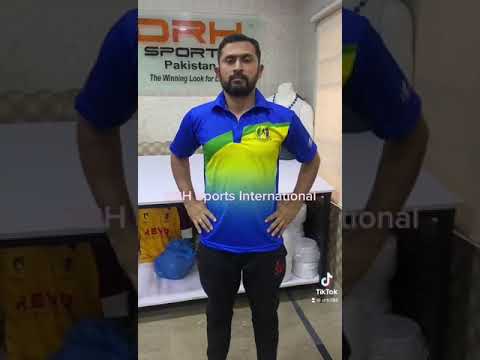
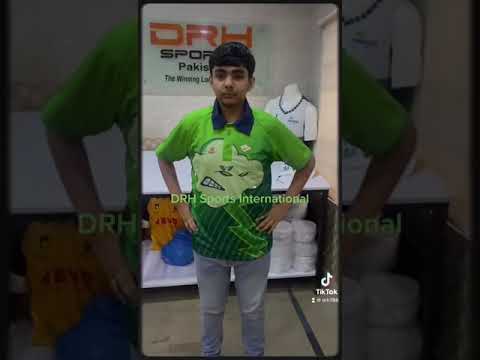
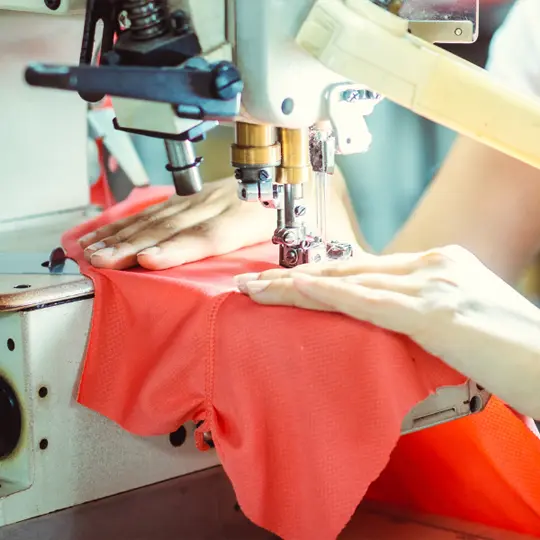
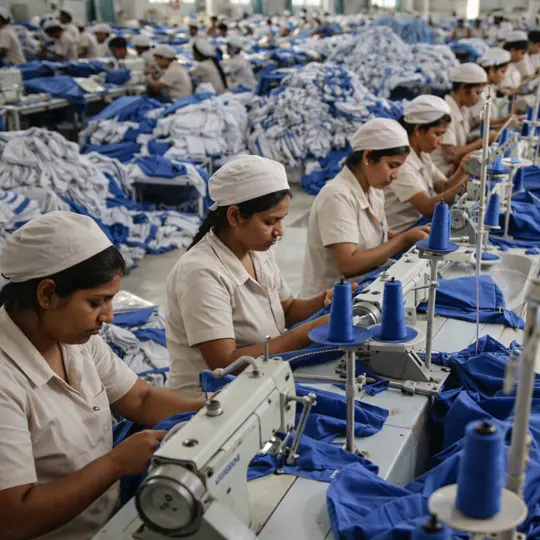
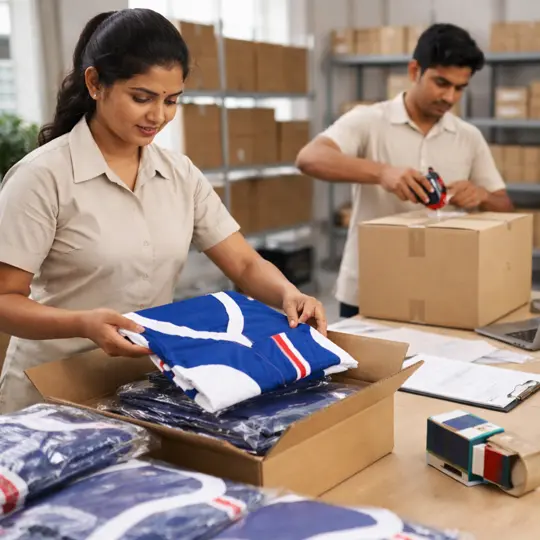
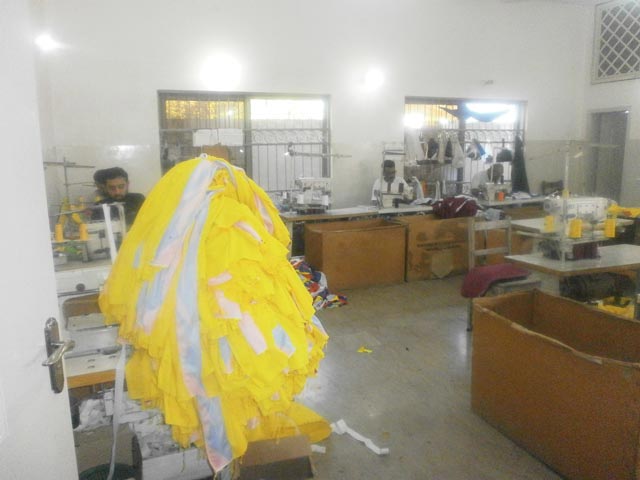
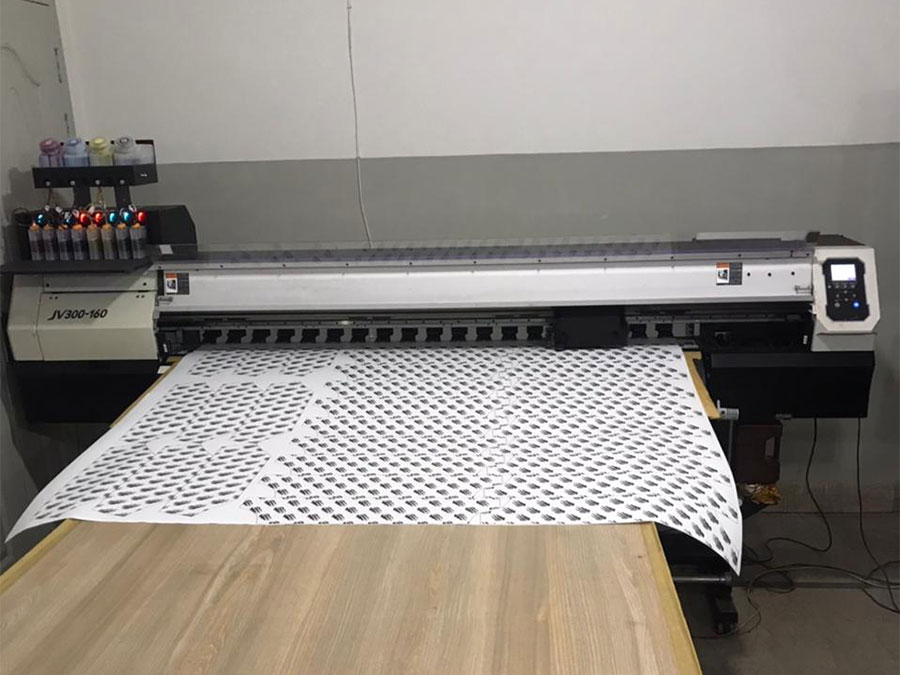
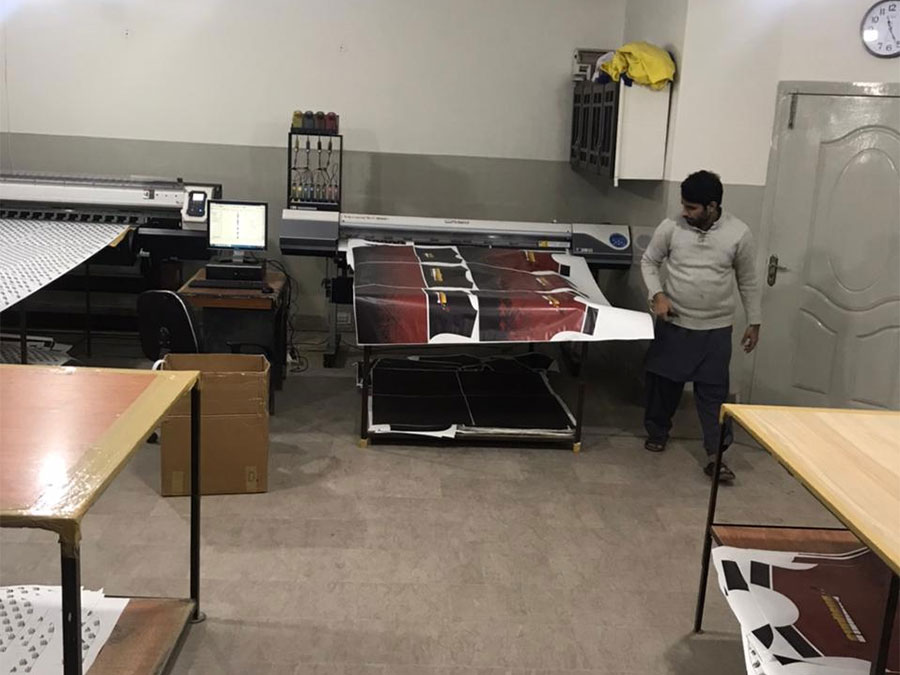
For clubs managing a large budget, the goal is finding a balance between cost and absolute safety. This is where a partner like DRH Sports, a respected name among Cricket Goods Manufacturers in USA, provides the necessary peace of mind. They treat quality control as a multi-step journey, starting with the raw leather selection and ending with a final "stress check" before shipping. When a manufacturer controls the entire production line, they can catch a "bad batch" of rivets or foam before it ever reaches a player's head. Working with an established leader ensures that every helmet and pad meets the same high standard, whether you are buying for a pro-level academy or a local Sunday league team.
The Hidden Risks of Second-Hand Gear
While it’s tempting to buy used gear to save money, it’s a dangerous game in cricket. Unlike a bat, which can be sanded down, safety gear has a "memory."
- Helmets: A helmet is designed to absorb one major impact. After a big hit, the internal structure might be compromised even if it looks fine on the outside.
- Pads: Over time, the internal foam in pads breaks down and loses its density. What was a "pro-level" pad five years ago might offer very little protection today.
The Final Word on Player Protection
At the end of the day, you can’t put a price on a player’s safety. A "bargain" pair of gloves is no longer a bargain if a player ends up with a broken finger. By vetting your Cricket Goods Manufacturers in Canada and insisting on high-quality materials, you are building a culture of safety within your club. Investing in the right gear is an investment in the game itself. When players know their gear will protect them, they play better, train harder, and stay in the sport longer.