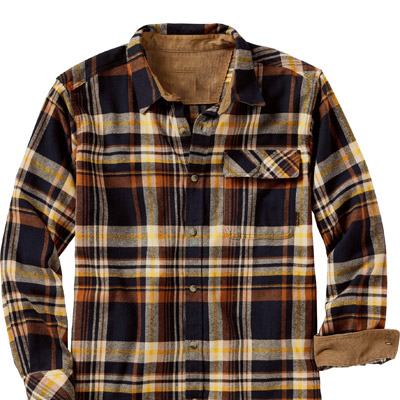
Sustainability used to be a selling point for a specific type of consumer. Now it is a question almost every buyer is asking in some form, whether they use that exact word or not. People want to know where things come from, who made them and whether the process involved something they would be uncomfortable knowing about. Flannel Shirt Manufacturers in USAare sitting in an interesting position within this conversation, and producers like DRH Sports have found that domestic manufacturing aligns naturally with what sustainability-conscious brands and their customers are actually looking for. The honest answer to whether this sector can meet these demands is yes, though it comes with nuances worth understanding before concluding.
Why the Origin of a Garment Has Started Mattering So Much
Not long ago, most consumers bought clothes without thinking much about where they were made. The label was a curiosity at best. That has changed noticeably, particularly among younger buyers who have grown up with more information about supply chains, labour conditions and environmental impact than any previous generation. They are not universally demanding perfection, but they are increasingly unwilling to ignore what they know. A flannel shirt made in a facility they can find nothing about, in a country with limited labour protections, using processes nobody has verified, carries a different weight than one produced under conditions that can actually be checked. That shift in consumer expectation is real, and it is reshaping what brands need to be able to say about their products.
What Domestic Manufacturing Actually Makes Easier to Verify
This is where the practical sustainability case for US-based production becomes very concrete. Transparency is not just a value. It is a capacity, and domestic manufacturing creates more of it than overseas supply chains typically allow. Here is what becomes genuinely verifiable when production is local:
- Working conditions that fall under US labour law, giving brands and consumers a legally enforced baseline rather than a voluntary code that may or may not be followed.
- Factory visits that do not require international travel make direct verification of production practices realistic rather than theoretical for brands of any size.
- Chemical management in dyeing and finishing processes is subject to US environmental regulations, which are meaningfully more stringent than standards in many competing manufacturing regions.
The Fibre Conversation That Shapes the Whole Story
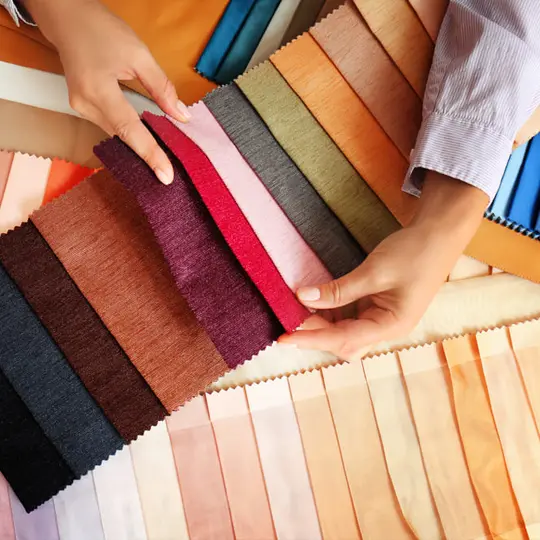
A flannel shirt's sustainability credentials begin with what goes into the fabric, and this is where brands sourcing domestically have genuine choices to make. Conventional cotton is resource-intensive in ways that undermine downstream sustainability efforts, regardless of how responsibly the garment is assembled. Organic certified cotton, recycled fibre blends and responsible wool alternatives all change the material footprint of the finished product significantly. Promotional Caps Manufacturers in USA, navigating the same questions in their own product category, have found that the material sourcing story is often the most compelling part of a sustainability narrative for consumers who understand the basics of textile production. Building that story requires a manufacturer who has invested in certified supply relationships and can document them clearly.
Durability as a Sustainability Argument That Actually Lands
There is a sustainability case for quality construction that connects with consumers who have no interest in certification terminology but do care about not throwing things away. A flannel shirt built to last a decade does not need to be replaced five times in the same period; a cheaper alternative does. The resources consumed in producing one well-made garment are less than those consumed in producing multiple replacements. Promotional Bags Manufacturers in USA make a version of this same argument for their own category, where longevity directly determines whether the product stays useful or contributes to waste within the first year of use. Domestic manufacturers who prioritise construction integrity are making a genuine sustainability contribution through the life expectancy of their products, even when they are not framing it explicitly in those terms.
Final Thoughts
Getting sustainability right in fashion is genuinely hard work, and no single sourcing decision solves the whole puzzle. But choosing to manufacture closer to home, with verifiable conditions and accountable partners, removes some of the most significant obstacles between a brand's values and its ability to demonstrate them. That demonstration matters more every year as the people buying clothes get better at telling the difference between a claim and a commitment. Domestic manufacturing gives brands the tools to make that commitment real, and that is worth quite a lot in the market that is taking shape right now.