Choosing the right manufacturing partner is one of the most influential decisions a sportswear brand can make. Before engaging with Sportswear Manufacturers in USA, like DRH Sports, businesses must evaluate several strategic factors that go far deeper than pricing or turnaround time. Beyond production, the partnership affects brand consistency, delivery timelines, ethical standing, and market credibility. A well-informed approach reduces risks and ensures that the collaboration contributes to long-term success rather than operational friction.
Evaluating Fabric Quality and Performance Standards
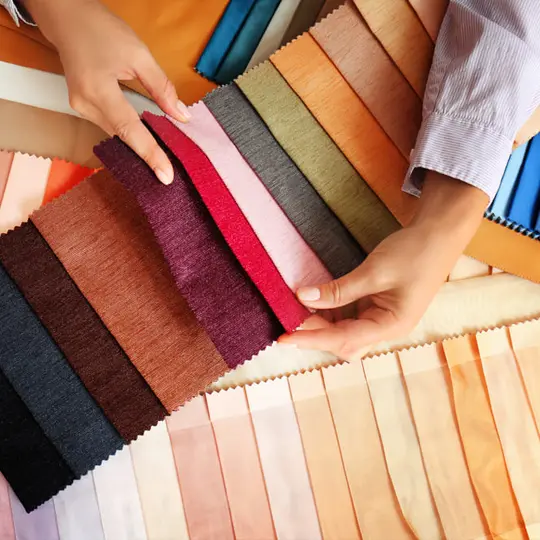
Fabric quality defines how a sportswear product performs in real-world athletic conditions. Before teaming up, brands need to evaluate the manufacturer's skill in working with performance fabrics like moisture-wicking blends, stretch fabrics, breathable meshes, and abrasion-resistant materials. Requesting multiple samples across product types allows testing for durability, comfort and colorfastness after repeated use. Manufacturers that prioritise material innovation and rigorous quality checks are better positioned to support brands aiming for premium positioning rather than short-lived trends.
Reviewing Production Capacity and Growth Readiness
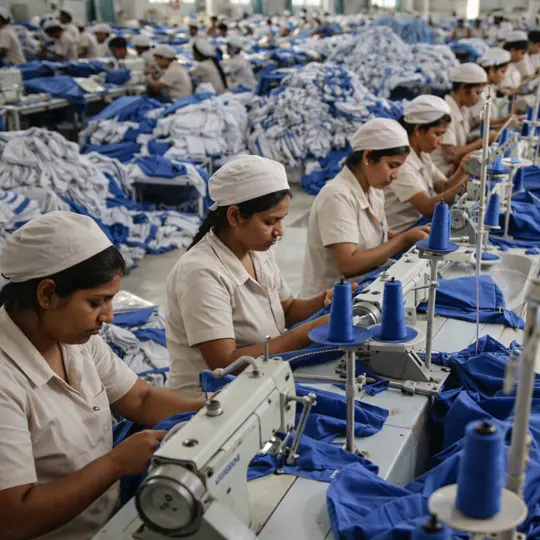
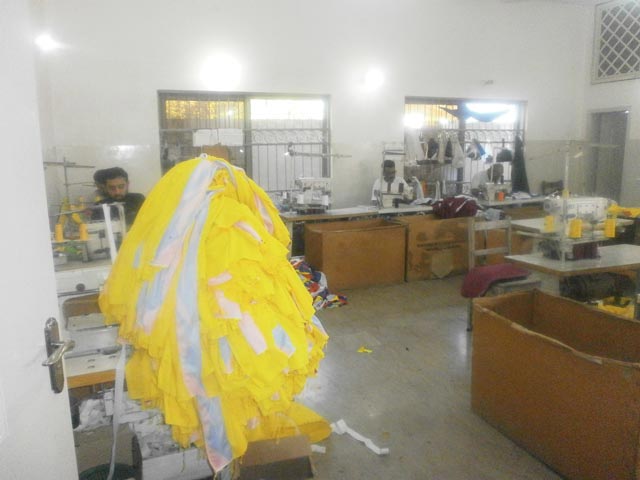
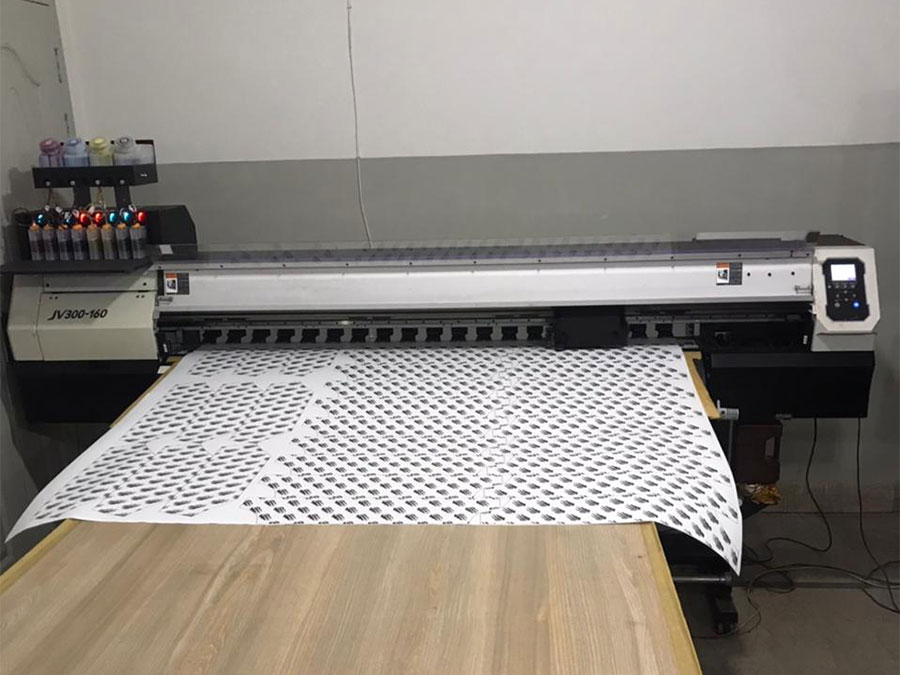
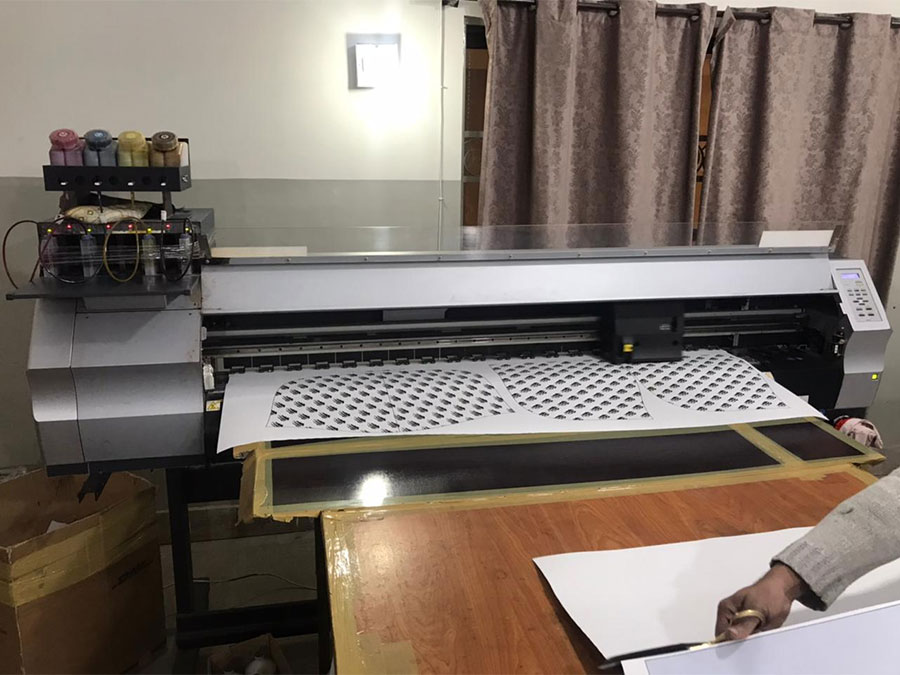
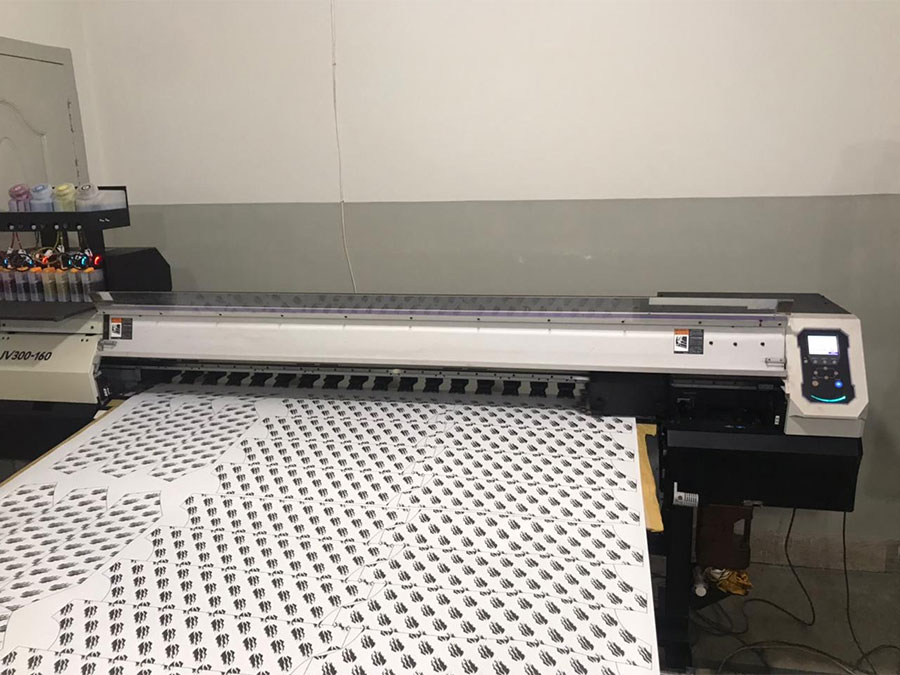
A dependable manufacturer must be capable of handling current production volumes while remaining adaptable to future growth. Understanding machinery capacity, workforce specialization, and production timelines is vital to avoid supply shortages during peak seasons. Observing how Sportswear Manufacturers in Australia manage scalable operations provides an understanding of how they maintain a balance between increasing the volume and quality control. Manufacturers with flexible production frameworks are better suited to support brands experiencing rapid demand fluctuations.
Communication, Support and Partnership Chemistry:
- Define clear expectations for response times and set up regular check-in meetings for production updates.
- Speak directly to one or two of their current or past clients to obtain an honest assessment of their service and reliability during challenging times.
- Present a hypothetical (or real) issue during the vetting process, and evaluate their proposed solution and speed of response.
Examining Ethical Manufacturing and Compliance Standards
Worldwide apparel markets have, among other things, raised the bar of apparel manufacturing to demand ethical manufacturing. Transparent documentation, third-party audits and sustainability initiatives demonstrate a manufacturer’s commitment to ethical accountability. Brands must assure their partners comply with labor regulations, workplace safety standards, and environmentally responsible sourcing practices. Being aligned with accountable producers is a protection of the branding trust as well as creates a bond with customers who are sensitive to the social aspect of the production.
Customization Capabilities and Design Collaboration
Customization allows sportswear brands to stand apart in a crowded market. Manufacturers that provide design support, pattern development, and branding flexibility help translate creative vision into functional apparel. Learning from collaboration models adopted by Sportswear Manufacturers in the UK highlights the value of co-creation, where manufacturers actively contribute technical insights during product development. So brands can improve the fit, functionality, and aesthetics, to be able to rule the market, brands need to respond quickly to changing consumer preferences.
Pricing Transparency and Long-Term Cost Efficiency
While competitive pricing is important, transparency matters more in sustaining profitable partnerships. Brands should seek detailed cost breakdowns covering materials, sampling, packaging, logistics, and revisions. By knowing how the unit price changes with larger order volumes one can manage the margins more efficiently and create more accurate financial forecasts. A Sportswear Manufacturers in UK willing to discuss cost structures openly is more likely to support long-term growth than one focused solely on short-term transactions.
- Indicators of scalable manufacturing signal strong operational readiness and future-proof manufacturing capabilities.
- Effective cost evaluation methods assure decisions are based on overall value rather than surface-level affordability.
Communication Flow and Operational Compatibility
Clear and consistent communication is critical in manufacturing partnerships. Brands should assess responsiveness, clarity in documentation, and willingness to address concerns promptly. Cultural compatibility in work ethics, timelines, and expectations reduces misunderstandings. Insights drawn from Sportswear Manufacturers in Canada emphasize the importance of structured communication systems that maintain alignment across teams and time zones, assuring smoother project execution.
Logistics Strength and Post-Production Support
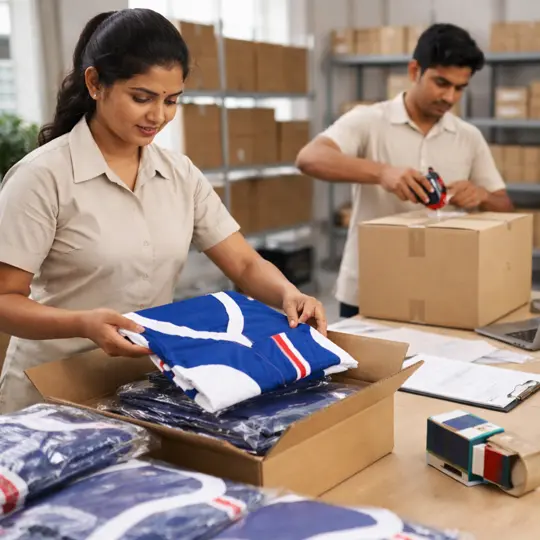
Production efficiency extends beyond manufacturing floors into logistics and after-sales service. Brands should evaluate shipping coordination, export documentation support, and post-delivery quality assurance processes. Manufacturers who assist with logistics planning and address post-production concerns demonstrate accountability beyond order fulfillment. Strong logistical support minimises delays and helps brands meet market launch commitments consistently.
Final Thoughts: Creating a Strategic Manufacturing Alliance
Partnering with the right sportswear manufacturer requires thoughtful evaluation across quality, ethics, scalability, and collaboration dynamics. Brands that spend time on due diligence are not only securing a supplier but also getting a strategic partner. A carefully chosen manufacturing partnership strengthens product consistency, supports sustainable expansion, and reinforces brand credibility in an increasingly competitive global sportswear landscape.