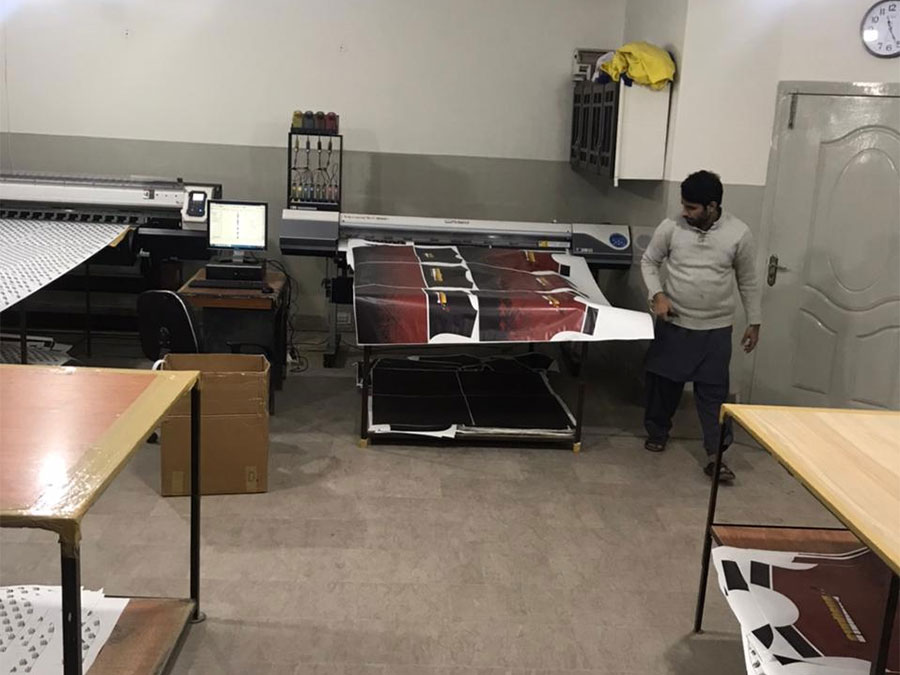
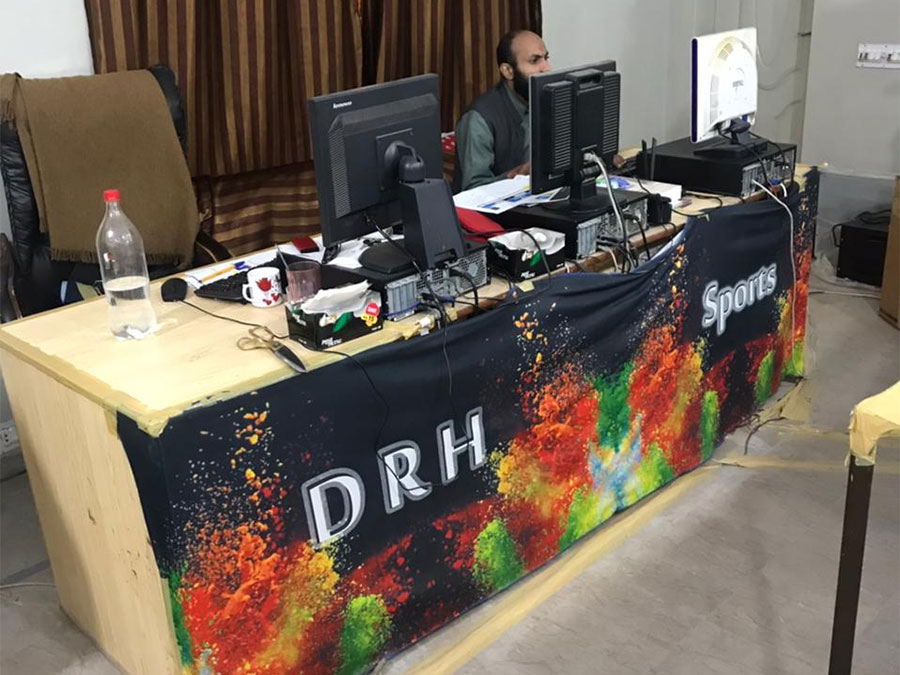
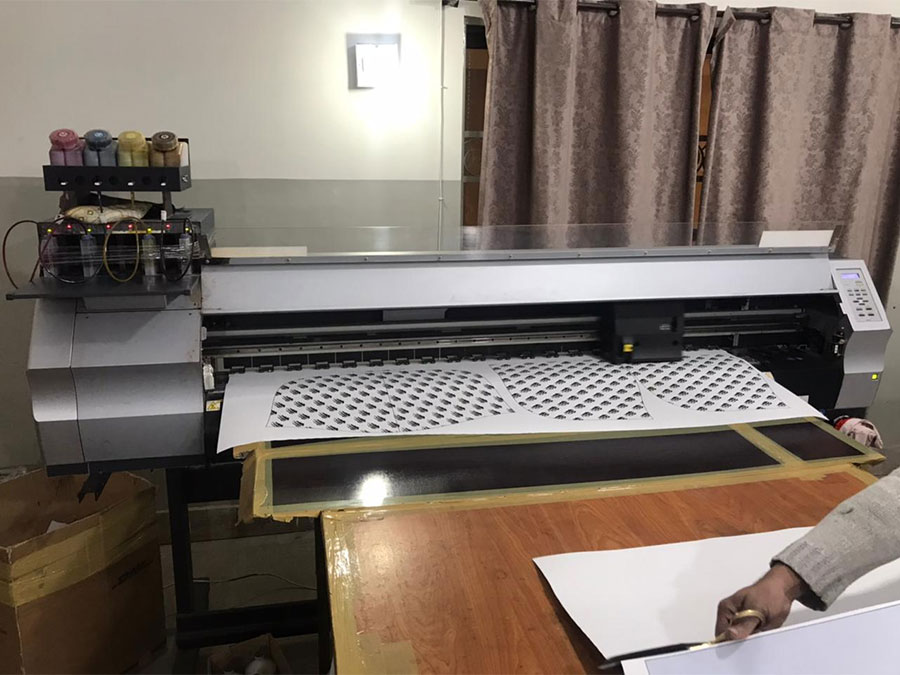
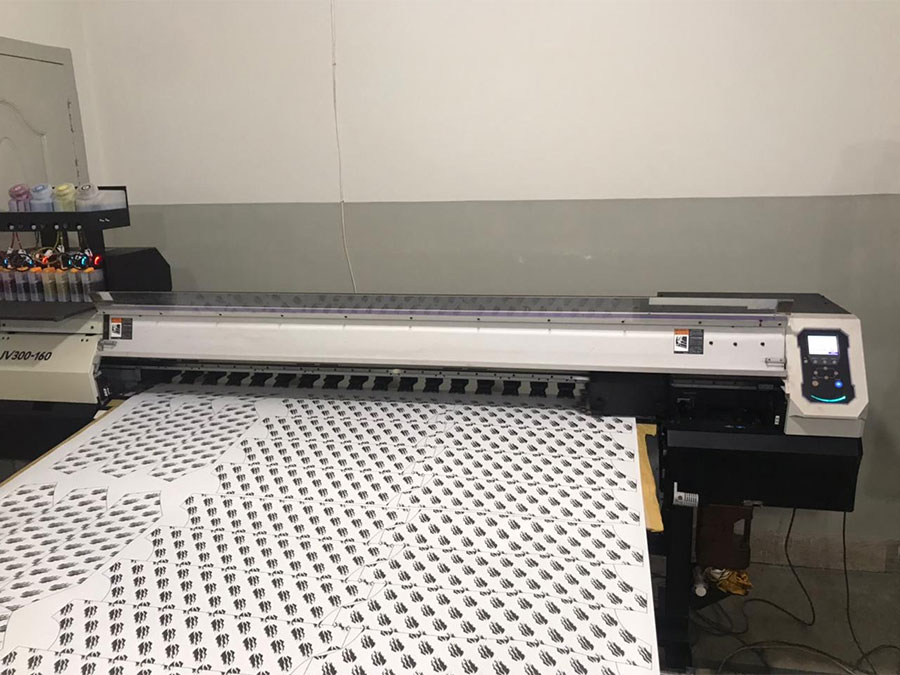
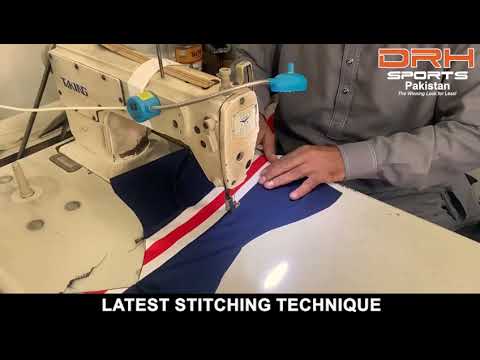
Scaling apparel production while maintaining the same quality standard is a challenge that tests every aspect of manufacturing discipline. For brands producing polo shirts, consistency in fabric, fit, stitching, and finishing becomes even more critical as volumes increase. Polo Shirt Manufacturers in USA, for example DRH Sports, rely on a combination of process control, skilled oversight and standardised systems to assure that every unit reflects the same level of excellence, regardless of order size.
Standardized Fabric Selection and Testing Protocols
Consistency begins long before a single shirt is stitched. Manufacturers establish strict fabric selection criteria, sourcing materials that meet predefined benchmarks for weight, shrinkage resistance, colorfastness, and breathability. Every fabric batch undergoes testing to assure uniform texture and performance across large production runs. This disciplined approach allows manufacturers to maintain predictable outcomes, even when producing tens of thousands of garments. Equivalent practices followed by Polo Shirt Manufacturers in Canada show how early-stage material control lowers downstream defects and rework.
Fabric Control Essentials:
- Batch-wise fabric testing before production approval
- Long-term relationships with certified textile mills
- Detailed documentation of fabric performance standards
Precision Pattern Making and Fit Consistency
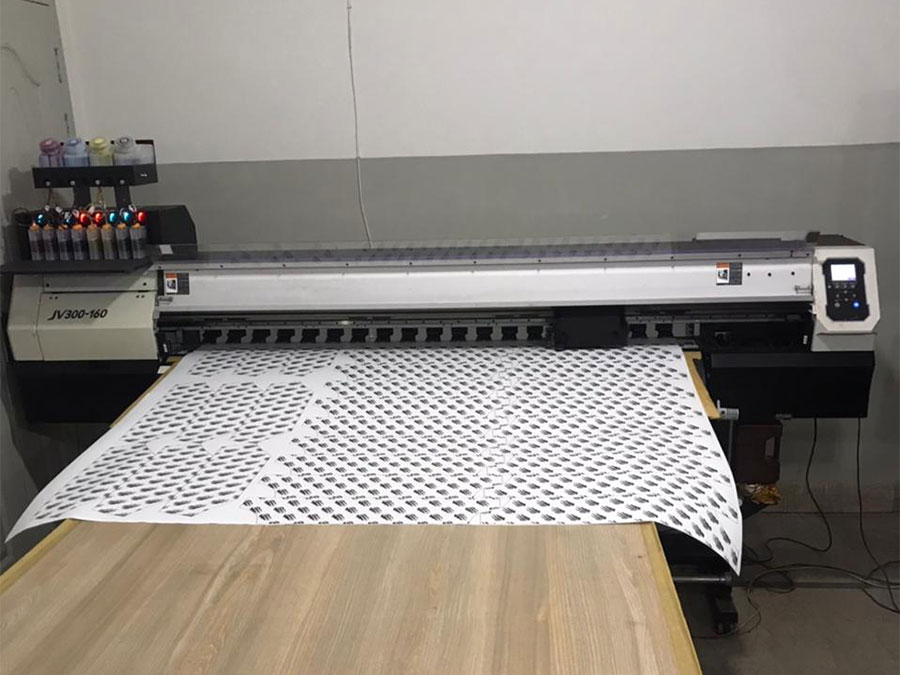
Accurate pattern development is central to producing polo shirts that fit consistently across sizes. Manufacturers invest in computer pattern-making software and grading machines which do away with the mistakes made by hand. Once approved, master patterns are locked into the system and reused without alteration unless design updates are formally introduced. This ensures that every size maintains proportional balance and wearability, even as production scales. Such precision minimises size variations that often erode brand trust in high-volume apparel lines.
Advanced Machinery and Controlled Production Lines
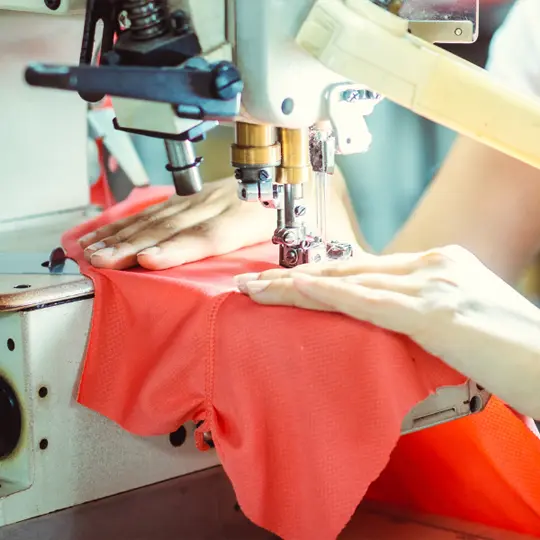
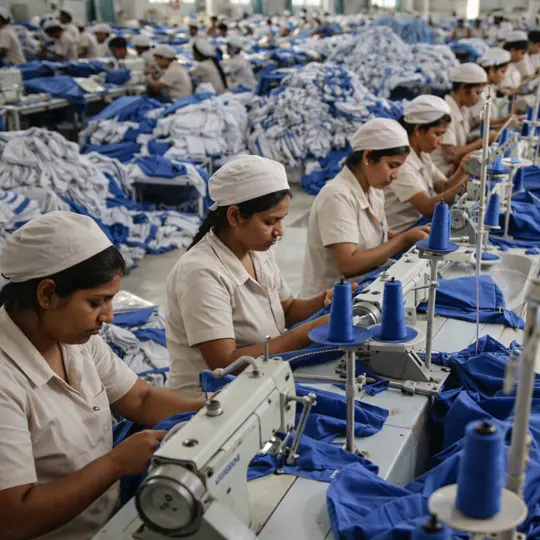
Modern manufacturing facilities depend on automation to support scale while maintaining accuracy. Observing methods used by Polo Shirt Manufacturers in Brazil reveals how automation paired with human supervision creates a balance between efficiency and craftsmanship. High-speed cutting machines, programmable sewing units, and automated collar and placket systems ensure repeatable precision across thousands of pieces. Production lines are segmented into specialised stages, allowing teams to focus on specific tasks with measurable output benchmarks.
Skilled Workforce Training and Quality Accountability
Even with advanced machinery, skilled labor remains indispensable. Manufacturers implement continuous training programs to assure operators understand stitch density, seam alignment, and finishing standards. Each production stage includes accountability checks where defects are identified and corrected immediately. Workers are trained not only to produce but also to inspect, creating a culture where quality responsibility is shared rather than isolated within inspection teams.
Workforce Quality Practices:
- Regular skill-upgradation workshops for operators
- Incentive systems linked to defect-free output
- Cross-training to maintain consistency across shifts
Multi-Level Quality Inspection Systems
Quality assurance is not a matter of a single checkpoint. Various levels of inspection encompassing pre-production, in-line and final audits are used by the manufacturers to cover the entire process. Random sampling, measurement verification and visual inspections assure that deviations are caught early. Data from these inspections is recorded and analysed to identify recurring issues. Manufacturers influenced by the disciplined inspection culture of Polo Shirt Manufacturers in Japan often emphasise preventive quality control over corrective action.
Process Documentation and Repeatability
Documentation is a silent driver of consistency at scale. Granular standard operating procedures lay down each step in detail, starting from the selection of the thread to the attachment of the button. These documents act as reference points for workers and supervisors, ensuring repeatability across batches and production cycles. When scaling up, documented processes prevent quality dilution by keeping execution aligned with original specifications, regardless of workforce expansion or increased output pressure.
Supply Chain Coordination and Inventory Discipline
Maintaining quality at scale also depends on supply chain synchronization. Manufacturers coordinate closely with suppliers to assure timely delivery of trims, buttons, threads, and packaging materials that meet exact standards. Inventory systems track lot numbers and usage to prevent mixing inconsistent components. This level of coordination lessens variation and supports uninterrupted production flows, even during high-demand periods.
Supply Chain Stability Measures:
- Approved vendor lists with performance evaluations
- Batch traceability for trims and accessories
- Buffer inventory planning for critical components
Wrapping It Up: Consistency as a Scalable Manufacturing Mindset
Maintaining constant quality at scale is not the result of a single system but a mindset enclosed across manufacturing operations. The journey from fabric selection and pattern accuracy to the training of the workforce and the self-discipline of the inspection, every component is involved in achieving the same level of quality again and again. By aligning technology, people and processes, polo shirt manufacturers are able to scale confidently while delivering products that meet the same standards, order after order, market after market.